

The cap feeder elevator is designed to efficiently provide caps to another downstream machine. Through processes such as conveyance, sorting, and accumulation, it is able to quickly deliver caps / closures to the desired downstream station. Learn more about how this machine works with its various mechanical components here. Introduction to Cap Feeder Elevators. A cap feeder elevator is a mechanized device used for delivering container’s closures to a loading station like capping machine. It addresses the problems of slow production caused by manual handling of caps, ensures proper sorting and orientation of caps for efficient loading in to capping machine, and also keeps feeding costs at a minimum by reducing the human intervention of loading cap. The process begins with cap and closure are loaded in mass into storage silo of elevator. Afterward caps / closures move upward on inclined modular plastic conveyor. While moving on the upward direction, cap which are not correctly orientated are fallen down back to storage silo using centre of gravity difference and correct oriented then transferred through other stainless steel channel (Known as Cap chute) to the downstream machine. Understanding the Structure of a Cap Feeder Elevator. A cap feeder elevator typically has a frame made of stainless steel 304 material with casters wheel for easy transportation. Cap transport conveyor is generally made from plastic modular belt for long life operation. There is a large top access panel for easy cleaning and maintenance and the parts of the elevator are connected by multiple hinge joints for durability and simple adjustment. Identifying the Main Components of a Cap Feeder Elevator. A cap feeder elevator contains a few essential components including a Storage silo for cap, inclined conveyor made of plastic modular belt, Cap chute drop assembly, and electric panel consist of variable frequency drive for speed variation. . The hopper / storage silo is the primary component used to store incoming caps, while inclined conveyor ensures that all caps enter and move through the system evenly in correct orientation. While the cap chute drop assembly allows for easy distribution of the acceptable caps into next downstream machine for further capping, inspection or packaging. Role of the Electric and Pneumatic component in Cap Feeder Elevator. In addition to the main mechanical components outlined above, a cap feeder elevator contains a worm gear box with motor. This motor coupled with gear box drive the whole cap feeder elevator. The speed of the unit is controlled using sensor less variable frequency drive. At top side of the elevator, system contain air nozzle which forces the cap to go in cap Shute. There is a special fiber optic sensor is installed on the cap Shute and it work in unison with air nozzle and control system of elevator unit. when cap / closures are less in the Shute then machine automatically get start through control system and when cap Shute is full of closure then it stop the unit which result in power saving. Knowing the Safety Mechanism Embedded in Cap Feeders. Cap feeder elevators provide a secure process for moving and handling small objects, like caps. For example, the machine is equipped with end guards that provide physical barriers from touching any of its sharp edges or moving components when it is operating. In addition, most feeder elevators also come with emergency stop buttons which instantly shut down the system in case of any safety hazards. Additionally, protective covers can also be attached to the device for further protection if required.
How To Maintain Your Sticker Labeling Machine For Optimal Performance
A sticker labeling machine is a crucial piece of equipment for many businesses, allowing for efficient and accurate labeling of products to increase the brand awareness. To ensure that your machine operates at peak performance, it is important to follow best practices for maintenance and upkeep. By taking care of your equipment, you can minimize downtime and maximize productivity. Regularly clean and inspect the machine. One of the most important steps in maintaining your sticker labeling machine is to regularly clean and inspect it. Cleaning of Sticker Labeling Machine is required to be done when production work is over or whenever is required. It is important to remove the labelled / unlabelled vial, bottle from the machine. Clean the conveyor belt, pressing belt, SS guide with lint free duster. It is highly important to clean the Label gap sensor and product sensor with clean cotton cloth. This includes wiping down the machine after each use to remove any excess adhesive or debris, as well as checking for any signs of wear or damage. It is also important to inspect the machine’s moving parts, such as the conveyor belt and rollers, pressing belt to ensure they are functioning properly and not in need of replacement. By staying on top of regular cleaning and inspections, you can catch any potential issues early and prevent more serious problems down the line. Lubricate moving parts as needed. Another key aspect of maintaining your sticker labeling machine is to lubricate its moving parts as needed. This includes the conveyor belt, rollers, bearing and any other components that require regular movement. Lubrication helps to reduce friction and wear on these parts, which can extend their lifespan and prevent breakdowns. Be sure to use the appropriate lubricant for your machine and follow the manufacturer’s recommendations for frequency of application. Regular lubrication can help keep your machine running smoothly and prevent costly repairs. Replace worn or damaged parts promptly. It is important to regularly inspect your sticker labeling machine for any signs of wear or damage. If you notice any parts that are worn, cracked, or broken, it is important to replace them promptly. Continuing to use a machine with damaged parts can lead to further damage and potentially dangerous malfunctions. Keep spare parts on hand and follow the manufacturer’s recommendations for replacement intervals to ensure your machine is always in top condition. Calibrate the machine regularly. Regular calibration of your sticker labeling machine is essential for optimal performance. Calibration ensures that the machine is applying labels accurately and consistently, which is crucial for maintaining product quality and avoiding costly errors. Regular calibration of Label gap sensor and product sensor is necessary for accurate labeling. Follow the manufacturer’s recommended calibration schedule and make sure to use the proper tools and procedures for the specific machine model. Regular calibration will also help extend the lifespan of your machine and prevent breakdowns. Train operators on proper use and maintenance. Proper use and maintenance of your sticker labeling machine is not just the responsibility of the maintenance team, but also the operators who use the machine daily. Make sure to train your operators on the proper use and maintenance of the machine, including how to clean and lubricate the machine, how to identify and troubleshoot common issues, and how to perform basic repairs. Encourage operators to report any issues or concerns immediately to prevent further damage to the machine. By investing in operator training, you can ensure that your machine is being used correctly and that small issues are addressed before they become major problems.
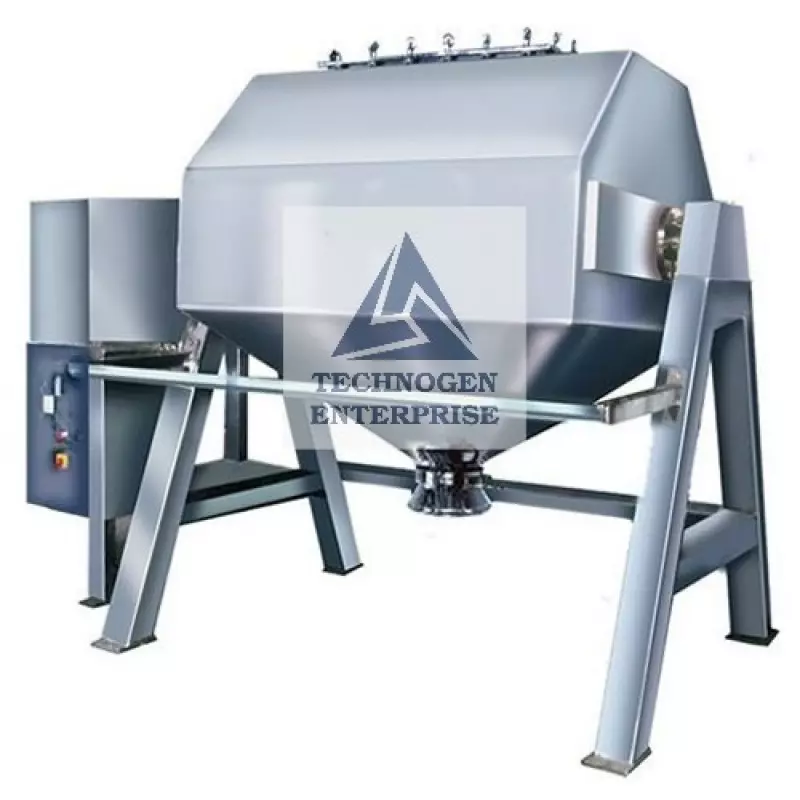
The Ultimate Guide To Octagonal Blenders: Features, Benefits, And Uses
If you are in the search for a new blender, you may want to consider an octagonal blender. This type of blender is known for its unique shape and versatility, making it a popular choice for various industries likewise pharmaceutical, food, herbal, chemical, and cosmetic product. In this guide, we will explore the features, benefits, and uses of octagonal blenders to help you decide if it is the right choice for you. What is an Octagonal Blender? An octagonal blender is a type of blender that has a unique eight-sided shape. This shape allows for more efficient blending and mixing of ingredients, as the octagonal design creates a tumbling motion that helps to evenly distribute mixing ingredients. Octagonal blenders are commonly used in the food and pharmaceutical industries but can also be used in herbal, chemical, and cosmetic product for a variety of blending and mixing tasks. Features of Octagonal Blenders. Octagonal blenders have several features that make them a popular choice for blending and mixing tasks. These blenders are typically made of stainless steel, which makes them durable and easy to clean. They also have a large capacity, which allows for the blending of large batches of ingredients. Additionally, octagonal blenders have a unique design that creates a tumbling motion, ensuring that ingredients are evenly distributed and blended together. Some models also come with additional features such as variable speed controls and automatic shut-off timers. Benefits of Octagonal Blenders. Octagonal blenders offer several benefits that make them a popular choice for blending and mixing tasks. One of the main benefits is their large capacity, which allows for the blending of large batches of ingredients. This makes them ideal for use in industries such as food processing, pharmaceuticals, and cosmetics. Additionally, the unique tumbling motion created by the octagonal design ensures that ingredients are evenly distributed and blended, resulting in a consistent product. The stainless-steel construction of these blenders also makes them durable and easy to clean, which is important for maintaining hygiene standards in industries such as food processing and pharmaceuticals. Finally, some models come with additional features such as variable speed controls and automatic shut-off timers, which make them even more versatile and user-friendly.
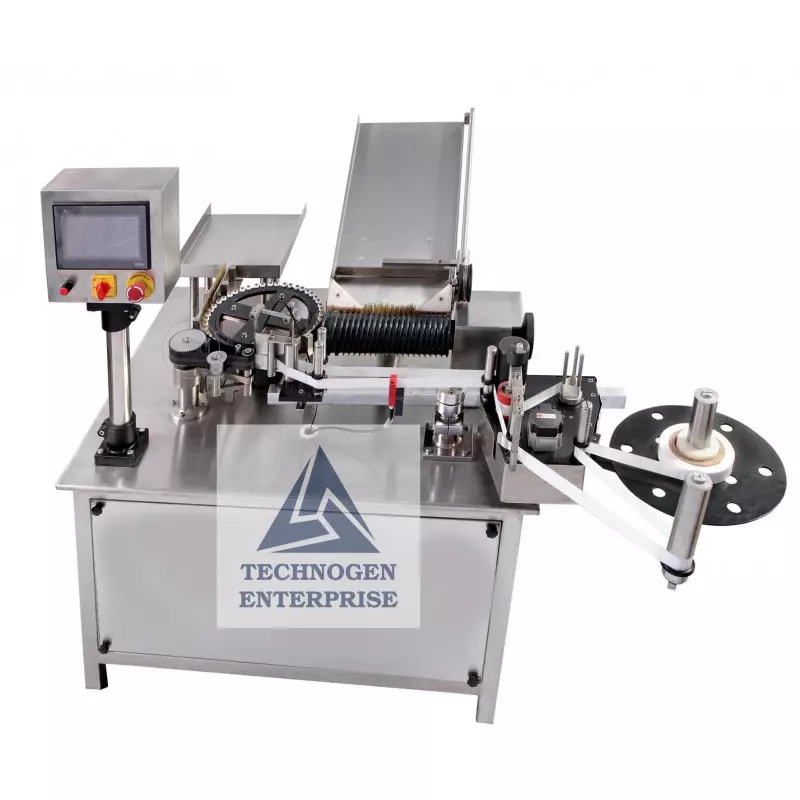
How To Choose The Right Ampoule Sticker Labeling Machine For Your Business
If you are in the need of an ampoule sticker labeling machine, you may be overwhelmed by the options available. This guide will help you navigate the selection process, from understanding your labeling needs to choosing the right machine for your business. Determine Your Labeling Needs. Before you start looking at specific ampoule sticker labeling machines, it is important to determine your labeling needs. Consider factors such as the sizes and shape of your ampoules, the type of label you need (e.g., paper or Self Adhesive), and the speed at which you need to label your products. This information will help you narrow down your options and choose a machine that can meet your specific requirements. Consider the Size of Your Ampoules. One of the most important factors to consider when choosing an ampoule sticker labeling machine is the size and shape of your ampoules. Make sure to measure the dimensions of your ampoules and consider any unique shapes or contours that may affect the labeling process. This will help you choose a machine that can accommodate your specific ampoule size and shape requirements. Additionally, consider the orientation of your ampoules – some machines may only be able to label ampoules in a certain orientation, so make sure to choose a machine that can handle your desired labeling position. Evaluate the Speed and Efficiency of the Machine. Another important factor to consider when choosing an ampoule sticker labeling machine is the speed and efficiency of the machine. This will depend on the volume of ampoules you need to label and the production rate of your business. Look for a machine that can handle your desired labeling speed and has a high level of accuracy to minimize errors and waste. Additionally, consider the maintenance and upkeep required for the machine to ensure it continues to operate efficiently over time. Look for User-Friendly Features. When selecting an ampoule sticker labeling machine, it is important to consider the user-friendliness of the machine. Look for features such as easy-to-use controls, intuitive interfaces, and clear instructions to minimize the learning curve for your employees. Additionally, consider the level of automation and customization options available to tailor the machine to your specific needs. A user-friendly machine can save time and increase productivity in the long run. Consider the Cost and Maintenance Requirements. When choosing an ampoule sticker labeling machine, it is important to consider the cost and maintenance requirements. Look for a machine that fits within your budget and has a reasonable maintenance schedule to avoid unexpected expenses. Additionally, consider the availability of replacement parts and the level of technical support offered by the manufacturer. A machine with low maintenance requirements and good technical support can save you time and money in the long run. When it comes to selecting the ideal Ampoule sticker Labeling Machine, there are several factors that need to be taken into consideration. These include production speeds, operator safety measures, and product accuracy. At Technogen Enterprise, we carefully evaluate our customers’ requirements to ensure that they have the perfect Ampoule sticker Labeling Machine model at their production facility, maximizing the benefits for their business.
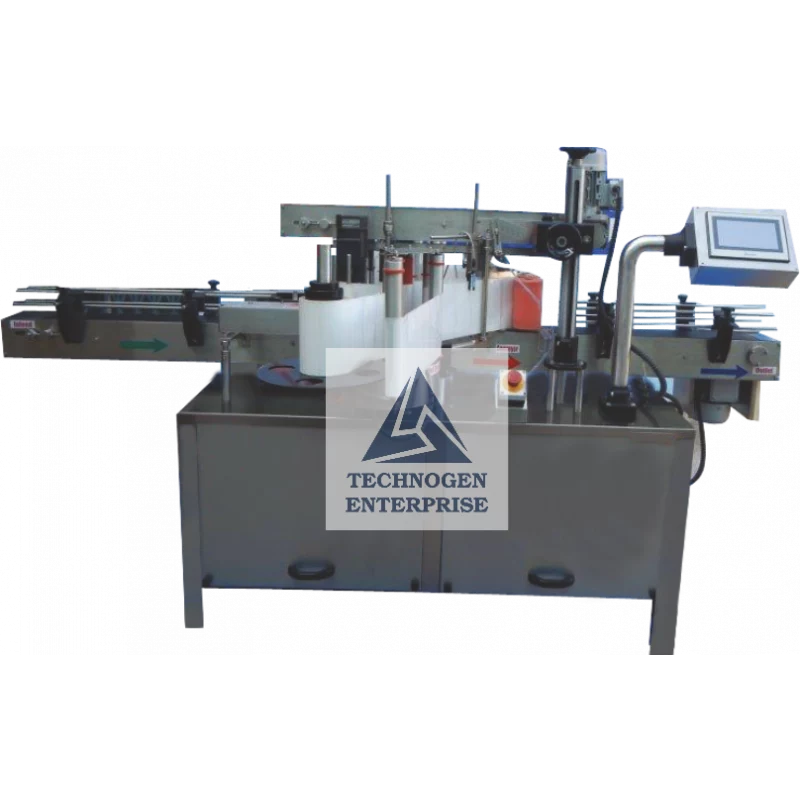
Maximizing Efficiency With Double Side Sticker Labeling Machines
If you are looking for a way to streamline your labeling process for flat bottles, a double side sticker labeling machine may be just what you need. These machines offer a range of benefits, from increased efficiency to improved accuracy and consistency. Learn more about the advantages of using a double side sticker labeling machine here. What is double side sticker labeling machines? Double side sticker labeling machines are machines that apply self-adhesive labels to both sides of a product simultaneously. These machines are commonly used in industries such as food and beverage, pharmaceuticals, and cosmetics, where products require labeling on both sides. Double side sticker labeling machines can handle a variety of label sizes and shapes and can be customized to fit the specific needs of your business. How do they work? Double side sticker labeling machines work by feeding products through a conveyor belt system, where they are held in place by guides. The labels are then applied to both sides of the product simultaneously using a labeling head. There are two labeling heads, which apply the labels to the product as it passes through the machine. The labels are then smoothed out and secured in place using a suitable system like brush mechanism, ensuring a smooth and even application. Double side sticker labeling machines can handle a wide range of products, from small bottles to large containers, and can be customized to fit the specific needs of your business. What are the benefits of using double side sticker labeling machines? Double side sticker labeling machines offer a range of benefits for businesses looking to increase efficiency in their labeling process. Firstly, they can apply labels to both sides of a product simultaneously, reducing the time and labour required for labeling. This can result in significant cost savings for businesses. Additionally, the brush system used in double side sticker labeling machines ensures a smooth and even application of labels, reducing the risk of errors or misalignments. Finally, these machines can be customized to fit the specific needs of your business, ensuring that you get the most out of your investment. What types of products can be labeled with these machines? Double side sticker labeling machine is most used to apply the label on front and back side of the Flat, rectangular, oval, and Square shaped bottles. Double side sticker labeling machines can be used to label a wide range of products, including bottles, jars, cans, tubes, and boxes. They are particularly useful for products that require labeling on both sides, such as cosmetics, pharmaceuticals, and food and beverage products. These machines can also handle a variety of Self-adhesive label materials, making them a versatile solution for businesses in a range of industries. How can businesses implement these machines into their labeling process? Implementing double side sticker labeling machines into your labeling process is a straightforward process. First, determine the specific needs of your business and the products you need to label. Then, choose a machine that meets those needs and fits within your budget. Once you have the machine, train your employees on how to use it properly and efficiently. With the right machine and training, businesses can maximize their labeling efficiency and improve their overall productivity.
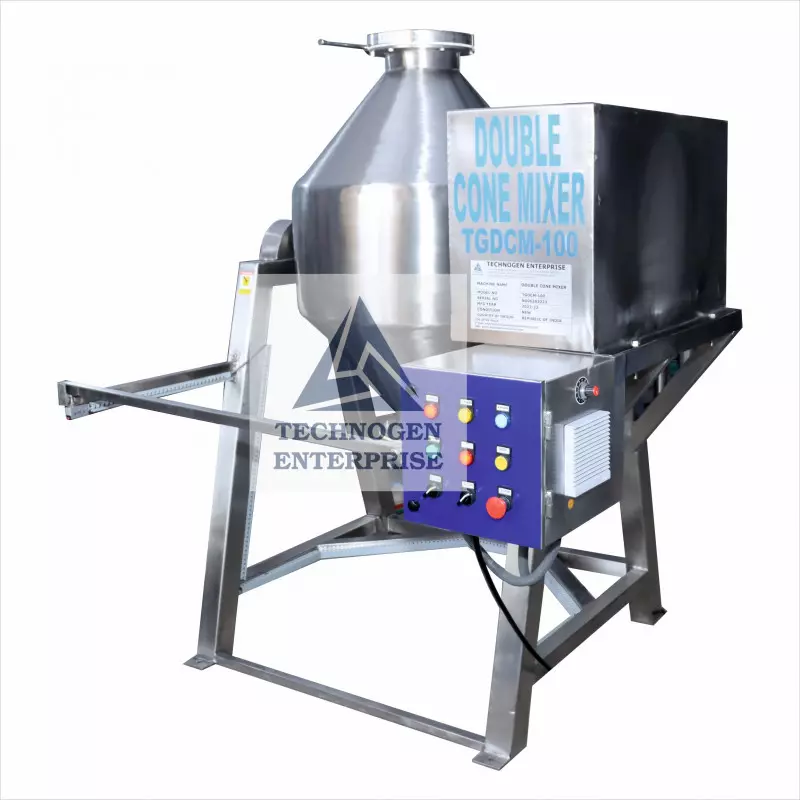
5 Benefits Of Using A Double Cone Blender In Your Manufacturing Process
A double cone blender is a popular choice for many manufacturing processes due to its unique design and numerous benefits. From efficient mixing to easy cleaning, this type of blender offers a range of advantages that make it a top choice for industry professionals. In this article, we’ll explore 5 key benefits of using a double cone blender in your manufacturing process. Versatility in Mixing Different Materials. One of the biggest benefits of using a double cone blender in your manufacturing process is its versatility in mixing different materials. Whether you are working with powders, granules, a double cone blender can effectively mix and blend a wide range of materials. This makes it a popular choice for industries such as pharmaceuticals, food and beverage, and chemical manufacturing, where a variety of materials may need to be mixed to create a final product. Additionally, the gentle mixing action of a double cone blender helps to prevent damage to delicate materials, ensuring a high-quality result. Efficient and Consistent Mixing. One of the main benefits of using a double cone blender in your manufacturing process is its ability to mix materials efficiently and consistently. The unique shape of the blender allows for a thorough mixing of materials, ensuring that all components are evenly distributed throughout the mixture. This results in a more consistent final product, reducing the likelihood of defects or inconsistencies. Additionally, the efficient mixing process can help to reduce production time and costs, making the double cone blender a cost-effective choice for many manufacturing processes. Easy to Clean and Maintain. Another benefit of using a double cone blender in your manufacturing process is its ease of cleaning and maintenance. The design of the blender allows for easy access to all parts, making it simple to clean and sanitize between batches. Additionally, the blender is made from durable materials that are resistant to corrosion and wear, reducing the need for frequent repairs or replacements. This can save time and money in the long run, making the double cone blender a smart investment for any manufacturing facility. Reduced Risk of Cross-Contamination. One of the key benefits of using a double cone blender in your manufacturing process is the reduced risk of cross-contamination. The design of the blender ensures that each batch is completely isolated from the previous one, preventing any potential contamination from occurring. This is particularly important in industries such as food and pharmaceuticals, where even small amounts of cross-contamination can have serious consequences. By using a double cone blender, you can ensure that your products are safe and of the highest quality. Reduced Processing Time. Another major benefit of using a double cone blender in your manufacturing process is the reduced processing time. The design of the blender allows for efficient and thorough mixing, which means that you can achieve the desired blend in a shorter amount of time. This can help to increase productivity and reduce costs, as you can produce more product in less time. Additionally, the reduced processing time can help to minimize the risk of product degradation, as the ingredients are not exposed to prolonged mixing or processing.
Labeling Machine Vs. Manual Labeling: Which Is Better?
If you are looking to streamline your labeling process and increase efficiency, a labeling machine may be the solution you need. In this article, we will explore the benefits of using a labeling machine over manual labeling, and how it can save you time and money in the long run. What is a labeling machine? A labeling machine is a piece of equipment that automatically applies labels to products or packaging. It can be used in a variety of industries, including food and beverage, pharmaceuticals, and cosmetics. Labeling machines come in different types, including automatic, semi-automatic, and manual, and can be customized to fit the specific needs of a business. They can apply labels to various shapes and sizes of products and can also print barcodes and other information on the labels. Benefits of using a labeling machine. Using a labeling machine can provide numerous benefits for businesses. First and foremost, it saves time and increases efficiency. With a labeling machine, labels can be applied quickly and accurately, without the need for manual labor. This can free up employees to focus on other tasks, increasing productivity. Additionally, labeling machines can reduce the risk of errors and inconsistencies in labeling, which can lead to costly mistakes and even legal issues. Finally, labeling machines can be customized to fit the specific needs of a business, making them a versatile and valuable investment. Drawbacks of manual labeling. Manual labeling can be a time-consuming and tedious process, especially for businesses with high labeling demands. It also increases the risk of errors and inconsistencies in labeling, which can lead to costly mistakes and even legal issues. Additionally, manual labeling requires manual labor, which can be physically demanding and can lead to employee fatigue and injury. Overall, manual labeling can be a hindrance to productivity and efficiency, making a labeling machine a more attractive option for businesses looking to streamline their labeling process. Types of labeling machines. There are several types of labeling machines available on the market, each with its own unique features and benefits. Some common types include automatic labeling machines, semi-automatic labeling machines, and print and apply labeling machines. Automatic labeling machines are fully automated and can label products at a high speed, while semi-automatic labeling machines require some manual input but are still faster than manual labeling. Print and apply labeling machines can print labels on demand and apply them to products in one seamless process. Choosing the right type of labeling machine depends on the specific needs and demands of your business. Factors to consider when choosing a labeling machine. When choosing a labeling machine, there are several factors to consider. First, consider the size and shape of your products. Some labeling machines are better suited for round or cylindrical products, while others are better for flat or square products. Second, consider the speed and volume of your labeling needs. If you have a high volume of products to label, an automatic labeling machine may be the best choice. Third, consider the type of label you need. Some labeling machines can print and apply custom labels, while others are better suited for pre-printed labels. Finally, consider your budget and the cost of maintenance and repairs for the labeling machine.
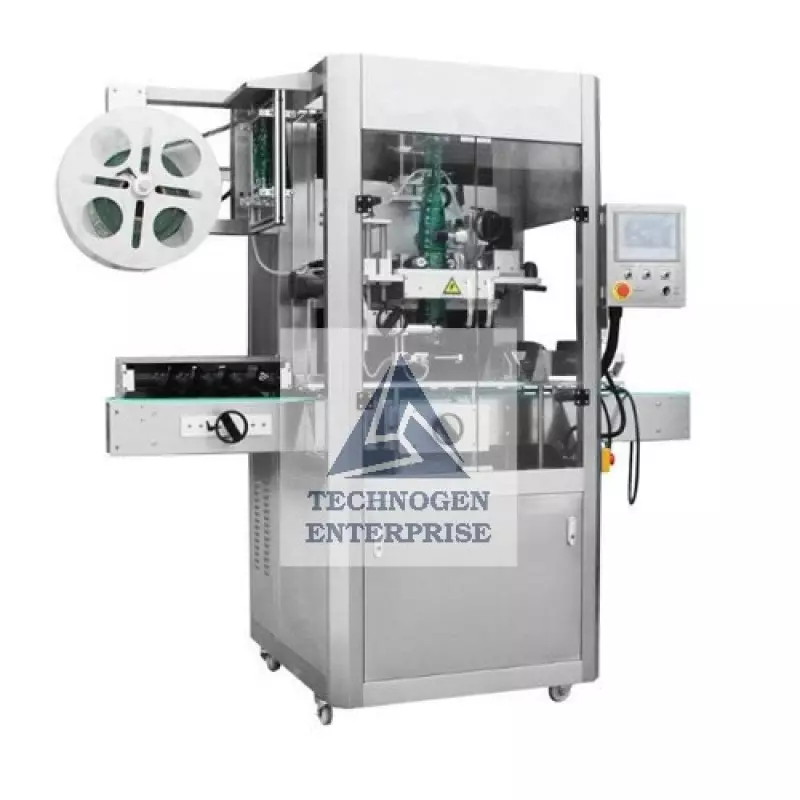
5 Benefits Of Using A Shrink Sleeve Labeling Machine
If you are looking for a more efficient and eye-catching way to label your products, a shrink sleeve labeling machine may be the solution you need. This innovative technology can provide a seamless and attractive label that conforms to the shape of your product, while also offering benefits such as increased durability and tamper-evident features. Read on to learn more about the advantages of using a shrink sleeve labeling machine. 360-degree labeling for maximum brand exposure. One of the biggest benefits of using a shrink sleeve labeling machine is the ability to achieve 360-degree labeling. This means that the label wraps around the entire product, providing maximum brand exposure and making your product stand out on the shelf. With traditional labeling methods, only a portion of the product can be labeled, limiting your branding opportunities. But with a shrink sleeve label, you can showcase your brand and product information from every angle, increasing the chances of attracting customers and boosting sales. Fits various container shapes and sizes. Another benefit of using a shrink sleeve labeling machine is its versatility in accommodating various container shapes and sizes. Whether you have a round, square, or irregularly shaped container, a shrink sleeve label can conform to the shape of the container, providing a seamless and professional look. This eliminates the need for multiple label sizes and reduces the cost of labeling materials. Additionally, shrink sleeve labels can be applied to containers of different sizes, making it easier to switch between products without having to change labeling equipment. Durable and tamper-evident labeling. Shrink sleeve labels are known for their durability and tamper-evident properties. The label is applied to the container using heat, which creates a tight seal that is difficult to remove without leaving evidence of tampering. This makes shrink sleeve labeling a popular choice for products that require a high level of security, such as pharmaceuticals, cosmetics, and food and beverage products. The durability of the label also ensures that it remains intact during shipping and handling, reducing the risk of damage or loss of product information. Cost-effective compared to other labeling methods. One of the biggest benefits of using a shrink sleeve labeling machine is its cost-effectiveness compared to other labeling methods. Traditional labeling methods like pressure-sensitive labels or in-mold labels can be expensive due to the need for specialized equipment and materials. Shrink sleeve labeling, on the other hand, requires only a single machine and a roll of shrink sleeve material. This can result in significant cost savings for businesses, especially those with high-volume production needs. Additionally, the ability to print high-quality graphics directly onto the shrink sleeve material eliminates the need for additional labeling or packaging materials, further reducing costs. High-quality printing for vibrant and detailed designs. One of the standout benefits of using a shrink sleeve labeling machine is the ability to print high-quality graphics directly onto the shrink sleeve material. This allows for vibrant and detailed designs that can make your product stand out on the shelf. The printing process is also highly customizable, allowing for unique designs and branding opportunities. With the ability to print 360 degrees around the container, shrink sleeve labeling offers more space for branding and product information than traditional labeling methods. Overall, the high-quality printing capabilities of a shrink sleeve labeling machine can enhance the visual appeal of your product and help it stand out in a crowded market.
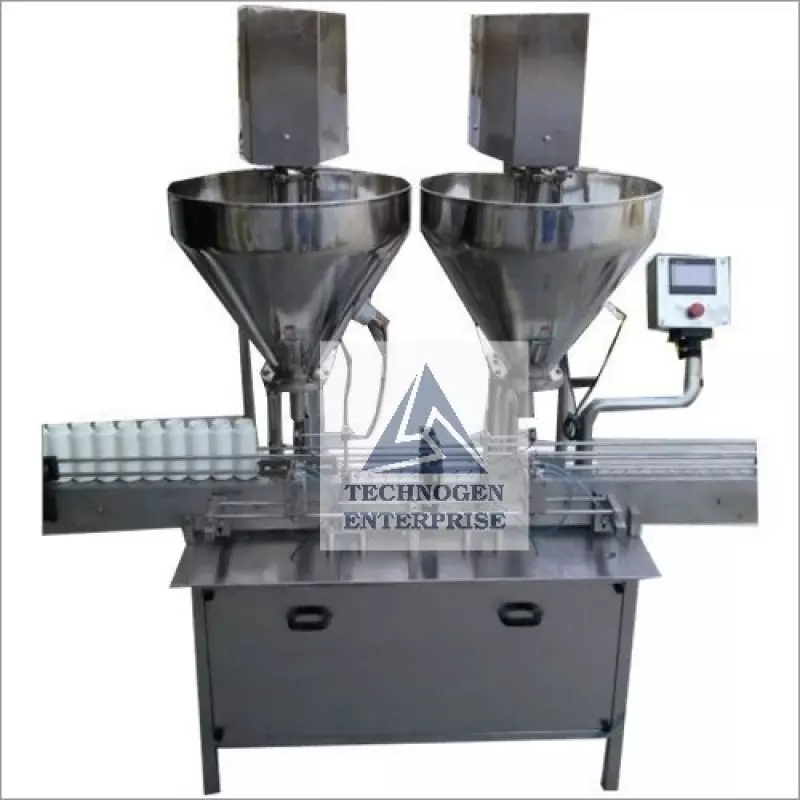
How To Choose The Right Auger Powder Filling Machine For Your Business
If you are in the market for an auger powder filling machine, you may be feeling overwhelmed by the many options available. However, by considering factors such as your production needs, the type of powder you’ll be filling, and your budget, you can make an informed decision that will benefit your business. This guide will help you navigate the process of choosing the right auger powder filling machine. Determine Your Production Needs. The first step in choosing the right auger powder filling machine for your business is to determine your production needs. Consider factors such as the volume of powder you need to fill, the speed at which you need to fill it, and the frequency of production. This will help you narrow down your options and choose a machine that can meet your specific production requirements. Consider the Type of Powder You Will Be Filling. Another important factor to consider when choosing an auger powder filling machine is the type of powder you will be filling. Different powders have different properties, such as density, flowability, and moisture content, which can affect how they behave during the filling process. Make sure to choose a machine that is designed to handle the specific type of powder you will be filling to ensure accurate and efficient filling. Evaluate the Accuracy and Consistency of the Machine. Accuracy and consistency are crucial factors to consider when choosing an auger powder filling machine. You want to ensure that the machine can accurately measure and dispense the correct amount of powder every time. Look for machines with advanced technology, such as servo-driven augers and weight feedback control systems, which can improve accuracy and consistency. Additionally, consider the machine’s speed and capacity to ensure it can meet your production needs without sacrificing accuracy. Look for Ease of Use and Maintenance. When choosing an auger powder filling machine, it’s important to consider not only its performance but also its ease of use and maintenance. Look for machines with user-friendly interfaces and intuitive controls that can be easily operated by your staff. Additionally, consider the machine’s maintenance requirements and whether they can be easily performed in-house or require specialized technicians. Choosing a machine that is easy to use and maintain can save you time and money in the long run. Consider the Cost and Return on Investment. When choosing an auger powder filling machine, it’s important to consider the cost and potential return on investment. Look for machines that fit within your budget but also have the potential to increase your production and efficiency. Consider the cost of maintenance and repairs, as well as the potential cost savings from increased productivity and reduced waste. It’s also important to consider the lifespan of the machine and whether it will need to be replaced in the near future. By carefully considering the cost and potential return on investment, you can make a smart decision for your business.
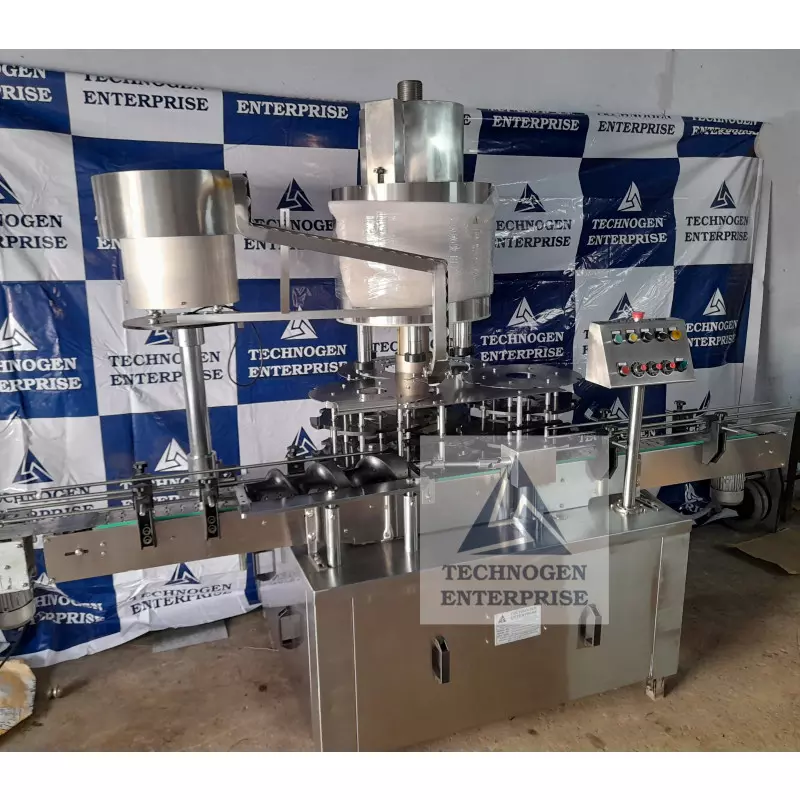
How To Choose The Right Screw Capping Machine For Your Business
If you are in the need for a screw capping machine, it can be overwhelming to navigate the different options available. This guide will walk you through the process of selecting the right machine for your needs, from understanding the different types of Screw capping machines to considering factors like speed, accuracy, and ease of use. Determine Your Production Needs. The first step in choosing the right screw capping machine for your business is to determine your production needs. Consider factors like the size of your production line, the number of bottles or containers you need to cap per minute, and the type of caps you shall be using. This will help you narrow down your options and ensure that the machine you choose can handle your production volume. Consider the Type of Caps You Will Be Using. The type of caps you will be using is an important factor to consider when choosing a screw capping machine. Different machines are designed to handle different types of caps, such as screw caps, snap caps, CRC (Child resistant cap) or push-on caps. Make sure the machine you choose is compatible with the type of caps you will be using to avoid any production issues or delays. Additionally, consider the size and shape of the caps, as some machines may not be able to handle larger or irregularly shaped caps. Evaluate the Size and Shape of Your Containers. Another important factor to consider when choosing a screw capping machine is the size and shape of your containers. Different machines are designed to handle different container sizes and shapes, so it’s important to choose a machine that can accommodate your specific needs. Consider the height, diameter, and shape of your containers, as well as any special features like handles or spouts. This will ensure that your capping machine can effectively and efficiently cap all of your containers. Look for Machines with Customizable Features. When choosing a screw capping machine, it’s important to look for machines with customizable features. This will allow you to tailor the machine to your specific needs and ensure that it can handle all of your containers. Look for machines that offer adjustable torque settings, as well as adjustable height and width settings. This will allow you to adjust the machine to fit your containers perfectly, ensuring a tight and secure seal every time. Additionally, look for machines that offer interchangeable parts, so you can easily switch out parts as needed to accommodate different container sizes and shapes. Consider the Cost and Maintenance Requirements. When choosing a screw capping machine, it’s important to consider both the initial cost and the ongoing maintenance requirements. Look for machines that offer a good balance between cost and quality, and consider the long-term savings that can be achieved through increased efficiency and reduced downtime. Additionally, make sure to choose a machine that is easy to maintain and repair, with readily available replacement parts and a user-friendly interface. This will help ensure that your machine stays in good working order and continues to provide reliable performance over time. At Technogen Enterprise, we carefully evaluate the above factors in conjunction with client before selecting the screw capping machine for their product.