
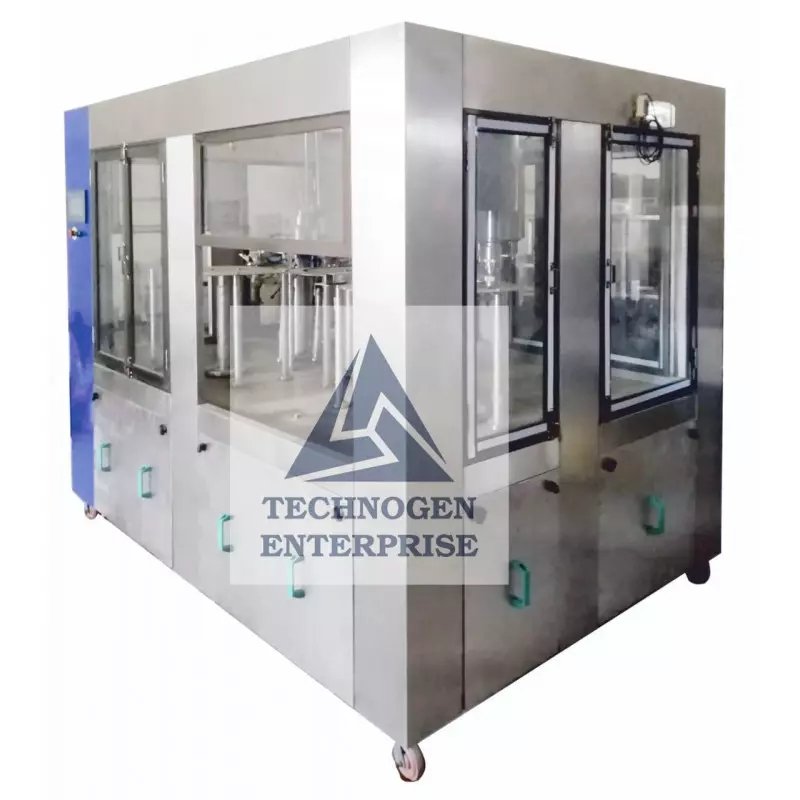
In today’s fast-paced world, the demand for efficiency and quality has never been greater, especially in the manufacturing industry. And one industry that has been revolutionized by technological advancements is the mineral water production industry. With the introduction of mineral water filling machines, bottling companies can now maximize efficiency and quality while reducing production costs significantly. These machines are designed to handle large volumes of water, ensuring a smooth and continuous production line. Additionally, they are equipped with advanced technologies that ensure the water is filled accurately and consistently, eliminating the risk of contamination. As such, bottling companies are now able to meet the increasing demand for mineral water while maintaining the highest standards of quality. In this article, we will delve deeper into how Automatic mineral water filling machines are changing the game and why they are a game-changer for the industry. The Benefits of Using Mineral Water Filling Machines The use of mineral water filling machines has numerous benefits for bottling companies. One of the primary advantages is that they allow for continuous and automated production, which saves time and increases efficiency. These machines can fill thousands of bottles per hour, which is almost impossible to achieve manually. This means that bottling companies can meet the ever-increasing demand for mineral water without compromising on quality. Another benefit of using mineral water filling machines is that they reduce the risk of contamination. These machines are designed to ensure that the water is filled accurately and consistently, which reduces the chances of human error. Additionally, the machines are equipped with advanced technologies such as UV sterilization, which helps to eliminate any bacteria or germs in the water. Mineral water-filling machines are also cost-effective in the long run. Although they require a capital investment initially, they pay for themselves in the long run. They require minimal maintenance, and their production efficiency can help reduce labor costs, which is a significant expense for bottling companies. This type of Automatic Water filling machines are most suited once as they generally come in tri-block form means a single machine can perform the three duties namely rinsing, filling, and capping. Hence the efficiency of the bottling plant gets increased significantly. Types of Mineral Water Filling Machines There are several types of mineral water filling machines available in the market. At Technogen Enterprise, we mainly offer fully automatic water bottle-filling machine based on the speed requirement of the clients and it is as below TGRFC-24 – this rinsing filling capping machine comes with 4 rinsing- 4 filling and 2 capping head and can deliver the 24 bottles per minute speed for 1 liter bottle. TGRFC-30 – this rinsing filling capping machine comes with 6 rinsing- 6 filling and 3 capping head and can deliver the 30 bottles per minute speed for 1 liter bottle. TGRFC-40 – this rinsing filling capping machine comes with 8 rinsing- 8 filling and 4 capping head and can deliver the 40 bottles per minute speed for 1 liter bottle. TGRFC-60 – this rinsing filling capping machine comes with 12 rinsing- 12 filling and 6 capping head and can deliver the 60 bottles per minute speed for 1 liter bottle. TGRFC-90 – this rinsing filling capping machine comes with 18 rinsing- 18 filling and 6 capping head and can deliver the 90 bottles per minute speed for 1 liter bottle. Detailed specification of the all above model can be seen at here : technical specification of Automatic Mineral water bottle filling machine How Mineral Water Filling Machines Work Mineral water filling machines use a combination of technologies to fill bottles accurately and consistently. The process begins with the bottles being rinsed. Once the bottles are clean, they are filled with water using a filling nozzle. The filling nozzle is designed to fill the bottles accurately and consistently, ensuring that each bottle is filled to the same level. The next step is to cap the bottles. The capping process ensures that the water is contained in the bottle, preventing any contamination. The caps are placed on the bottles using a capping machine, which ensures that the caps are tightened correctly. Once the bottles are capped, they are labeled and packaged. The labeling process ensures that the bottles are correctly labeled, and the packaging process ensures that the bottles are packed correctly. Features to Look for in Mineral Water Filling Machines When choosing a mineral water filling machine, there are several features to consider. These features include: 1 Production Capacity The production capacity of the machine is an essential feature to consider. It is essential to choose a machine that can handle the production volume required by the bottling company. 2 Filling Accuracy Filling accuracy is another critical feature to consider. It is essential to choose a machine that can fill bottles accurately and consistently, ensuring that each bottle is filled to the same level. 3 Bottle Size The size of the bottles that the machine can handle is another crucial feature to consider. It is essential to choose a machine that can handle the bottle size required by the bottling company. Our all model can handled the 100 ml to 2 liter bottles. 4 Maintenance Maintenance is another essential feature to consider. It is essential to choose a machine that requires minimal maintenance and is easy to clean. Factors to Consider When Choosing a Mineral Water Filling Machine When choosing a mineral water filling machine, there are several factors to consider. These factors include: 1 Budget The budget is an essential factor when choosing a mineral water filling machine. It is essential to choose a machine that fits within the company’s budget. 2 Production Volume The production volume required by the bottling company is another essential factor to consider. It is essential to choose a machine that can handle the production volume required. 3 Available Space The available space in the bottling company is another factor to consider. It is essential to choose a machine that can fit in the available space.
Revolutionize Your Bottling Process With These Innovative Bottle Cappers
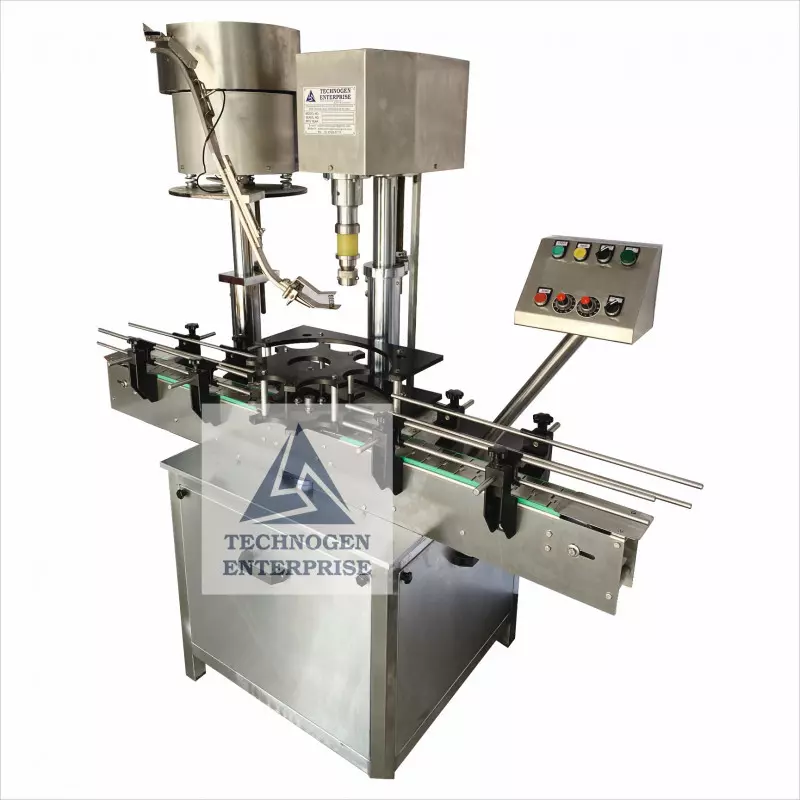
Bottling is an integral part of many businesses, and getting it right is crucial to success. From beverages to chemicals, pharmaceuticals to cosmetics, the bottling process plays a vital role in ensuring products reach customers in the best possible condition. But with so many options available, how do you know which bottle capper to choose? That’s where innovation comes in. In recent years, there has been a surge in the development of new and improved bottle capping machines, designed to streamline the bottling process and improve overall efficiency. These innovative machines are designed to meet the needs of businesses of all sizes, from small startups to large-scale manufacturers. In this article, we will explore some of the latest and greatest bottle cappers that we offer, and how they can revolutionize your bottling process. Traditional Bottle Capping Methods Traditionally, bottle capping was done manually by workers using hand tools to tighten bottle caps. This process was time-consuming and led to inconsistencies in the tightness of the caps, resulting in leaks and spoilage. Later, semi-automatic capping machines were developed, which could cap bottles more quickly but still required human intervention to operate. While these machines were a significant improvement over manual capping, the process still had some limitations. The Need for Innovative Bottle Cappers The need for innovative bottle cappers arose from the limitations of traditional capping methods. The bottling industry required faster and more efficient bottle capping machines that could cope with high volumes of bottles. Innovative bottle cappers were developed to meet this need and revolutionize the bottling process. Benefits of Using Innovative Bottle Cappers The benefits of using innovative bottle cappers are numerous. Firstly, they reduce the need for human intervention, which saves time and reduces the risk of human error. They also increase the speed of the bottling process, allowing businesses to meet higher demand and increase production. Innovative bottle cappers also provide more consistent and reliable capping, which ensures that products are sealed correctly and reach customers in perfect condition. Types of Innovative Bottle Cappers – Automatic, Semi-automatic, and Manual Innovative bottle cappers come in three main types: automatic, semi-automatic, and manual. Automatic bottle cappers are fully automated, requiring no or minimal human intervention. They are the most efficient type of bottle capper, with the ability to cap hundreds of bottles per minute. Semi-automatic bottle cappers require some human intervention but are still highly efficient, with the ability to cap dozens of bottles per minute. Manual bottle cappers are the most basic type of capper, requiring human operators to cap bottles using hand tools. Features to Consider When Choosing an Innovative Bottle Capper When choosing an innovative bottle capper, several features should be considered. The first is the type of capper that best suits your business needs. Another important feature is the speed of the capper, which should match the rate of production required by the business. The size and shape of the bottles to be capped should be taken into account, as some cappers are designed for specific bottle types. Additionally, the type of cap (likewise ROPP, Screw, Lug, CRC, press fit) is to be applied over the bottle. Finally, the cost of the capper should be considered, as well as its maintenance requirements and the availability of spare parts. Top Innovative Bottle Cappers offered by Technogen Enterprise Several innovative bottle capers have been developed in recent years, designed to meet the needs of businesses of all sizes. One of the top-rated bottle cappers on the market is the Automatic Rotary Capping Machine, which can cap up to 200 bottles per minute. Another popular choice is the Semi-Automatic Capping Machine, which can cap up to 50 bottles per minute. The Manual Capping Machine is also a reliable and cost-effective option for small businesses. At Technogen Enterprise, India, we offer the following bottle capper as per the different caps ROPP Capper : We offer a semi-automatic ROPP capper, Automatic single head ROPP capper, and Rotary ROPP capper. Detailed can be seen at – Range of ROPP capper offered by Technogen Enterprise Screw Capper: We offer a semi-automatic screw capper, Automatic single head screw capper, Rotary screw capper, pick and place screw capper, and Linear screw capper. Detailed can be seen at Range of screw capper offered by Technogen Enterprise Lug capper: We offer a Semi-automatic lug capper, Automatic rotary lug capper. Detailed can be seen at – Range of Lug capper offered by Technogen Enterprise Crown Capper: We offer a Semi-automatic crown capper, Automatic rotary crown capper. Detailed can be seen at – Range of crown capper offered by Technogen Enterprise How to Implement Innovative Bottle Cappers in Your Bottling Process Implementing innovative bottle cappers in your bottling process requires careful planning and consideration. The first step is to identify the type of capper that best suits your business needs. Next, the capper should be integrated into the bottling line, taking into account the size and shape of the bottle, type of cap, and rate of production required. Finally, staff training should be provided to ensure that the capper is used correctly and maintained properly. Conclusion In conclusion, innovative bottle cappers have revolutionized the bottling process, providing faster, more efficient, and consistent capping. There are several types of innovative bottle cappers available on the market, each with its own unique features and benefits. When choosing a bottle capper, several factors should be considered, including the type of capper, the speed, bottle size and shape, and cost. By implementing innovative bottle cappers in the bottling process, businesses can increase production, reduce errors, and improve overall efficiency.
From Manual To Automated: How A Pet Bottle Cap Sealing Machine Can Revolutionize Your Packaging Process
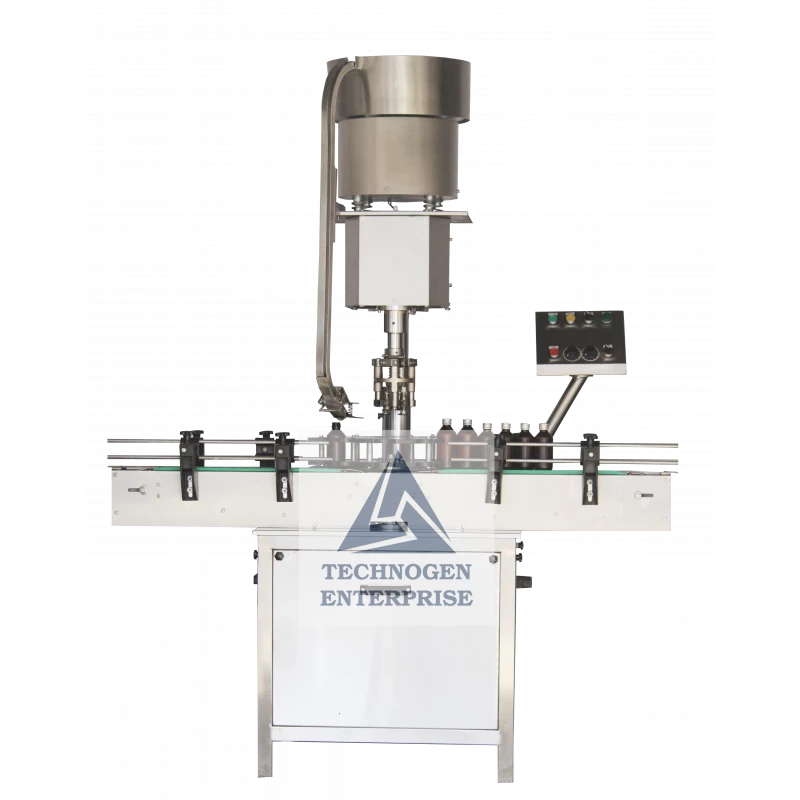
In today’s fast-paced world, time is money, and efficiency is key. The packaging industry has seen a significant shift towards automation in recent years and for good reason. Automating processes not only saves time and reduces labor costs, but also increases accuracy and consistency, leading to improved product quality. One such automation that has gained popularity is the pet bottle cap sealing machine. This machine has revolutionized the packaging process for businesses, big and small, by eliminating the need for manual labor and increasing production rates. In this article, we will explore the benefits of using a pet bottle cap sealing machine and how it can transform your packaging process from manual to automated. So, sit back, relax, and let’s dive into the world of automated packaging. The limitations of manual sealing Manual sealing of bottle caps is a tedious and time-consuming task. It requires a lot of effort, concentration, and skill to ensure that the caps are sealed correctly. This is especially true when dealing with large volumes of bottles, which can take hours or even days to seal. Manual sealing also increases the risk of contamination, as it is difficult to maintain a sterile environment when working with so many bottles. This can lead to spoilage and loss of product, which can be costly for businesses. Another limitation of manual sealing is the lack of consistency in the sealing process. Manual sealing can result in uneven torque on the caps, which can lead to leakage or even breakage of the bottle. This inconsistency can be due to fatigue, human error, or even environmental factors, such as temperature or humidity. This can result in a poor product image and decreased customer satisfaction. Finally, manual sealing can be a safety hazard for workers. Repetitive motion injuries, such as carpal tunnel syndrome, can occur due to the constant twisting motion required to seal the caps. This can lead to decreased productivity, increased absenteeism, and increased insurance costs for the business. Advantages of automated bottle cap sealing machines Automated bottle cap sealing machines have several advantages over manual sealing. The most significant advantage is the reduction in labor costs. With an automated machine, one operator can seal hundreds or even thousands of bottles in a fraction of the time it would take a team of workers to do manually. This frees up workers to perform other tasks, such as quality control, inventory management, and customer service. Another advantage of automated sealing machines is the increase in accuracy and consistency. Automated machines can apply the same torque to each bottle cap, ensuring a tight and secure seal every time. This leads to improved product quality and customer satisfaction. Additionally, automated sealing machines can detect and reject any bottles with defective seals, reducing the risk of contamination and product loss. Automated machines also have the ability to seal a variety of bottle sizes and shapes, which can be difficult to achieve with manual sealing. This versatility allows businesses to expand their product lines and meet the changing needs of their customers. Types of pet bottle cap sealing machines There are several types of pet bottle cap sealing machines available in the market. And they can be categorized as per the type of cap going to be a cap on the pet bottle. The most common types include: 1 Pet bottle ROPP Cap Sealing Machine Pet bottle ROPP Cap sealing machines use a ROPP Cap head to apply the ROPP Cap on the pet bottle. Earlier we published two blogs pertaining to ROPP Cap sealing Machine i.e. “The Outstanding Guideline to Ropp Capping Machine” & “How to Choose The Right Ropp Capping Machine” 2 Pet bottle Screw cap sealing machine The pet bottle screw cap sealing Machine uses a screw capping head to apply the screw cap over the pet bottle. For more information about the screw cap, kindly refer to our blog “Revolutionize Your Packaging with A Screw Capping Machine: A Comprehensive Guide” How does a pet bottle cap sealing machine work? Pet bottle cap sealing machines work by applying a specific torque to the bottle cap, ensuring a tight and secure seal. The machine consists of a conveyor belt that moves the bottles to the sealing station, where the caps are applied by a spinning head or a set of rollers. The machine can be adjusted to apply the correct torque for each bottle size and cap type, ensuring a consistent and reliable seal. Benefits of using a pet bottle cap sealing machine Using a pet bottle cap sealing machine has several benefits for businesses, including: 1 Increased productivity Automated sealing machines can seal hundreds or even thousands of bottles in a fraction of the time it would take to do manually. This frees up workers to perform other tasks, such as quality control, inventory management, and customer service. 2 Improved product quality Automated sealing machines can apply the same torque to each bottle cap, ensuring a tight and secure seal every time. This leads to improved product quality and customer satisfaction. Additionally, automated sealing machines can detect and reject any bottles with defective seals, reducing the risk of contamination and product loss. 3 Reduced labor costs Automated sealing machines require only one operator, reducing labor costs and increasing efficiency. This frees up workers to perform other tasks, such as quality control, inventory management, and customer service. 4 Versatility Automated sealing machines can seal a variety of bottle sizes and shapes, which can be difficult to achieve with manual sealing. This versatility allows businesses to expand their product lines and meet the changing needs of their customers. Factors to consider when choosing a pet bottle cap sealing machine When choosing a pet bottle cap sealing machine, businesses should consider several factors, including: 1 Bottle size and shape The machine should be able to seal the bottle sizes and shapes that the business requires. 2 Cap type The machine should be compatible with the types of caps used by the business. 3 Production volume The
The Benefits Of Investing In A Linear Capping Machine For Your Business
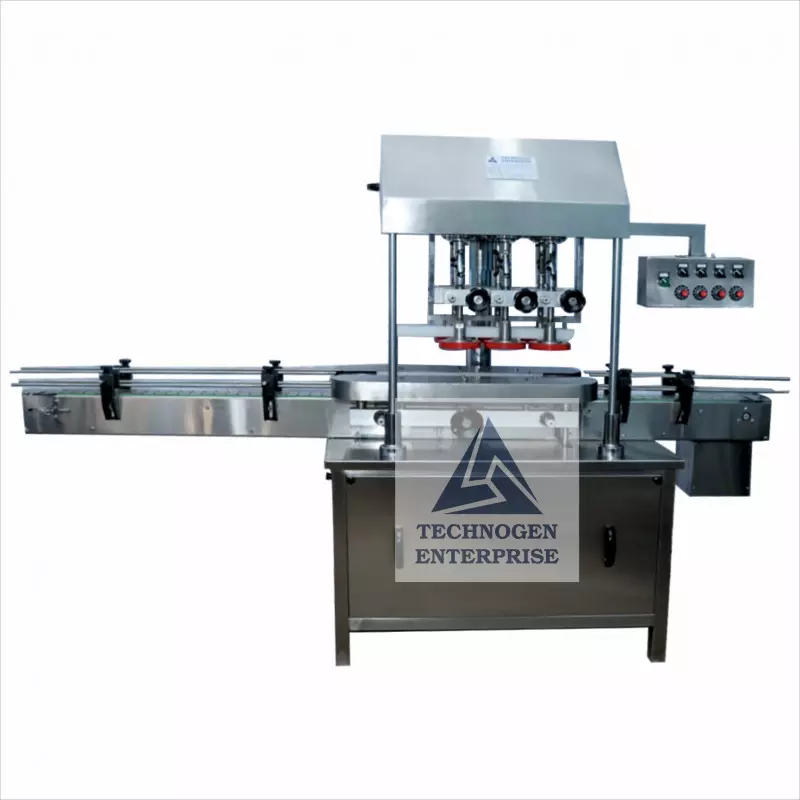
If you’re in the business of packaging liquids or other products that require airtight seals, you know just how important it is to have a reliable and efficient capping machine. But with so many options available on the market, it can be overwhelming to choose the right one for your business. One type of capping machine that has been gaining popularity in recent years is the linear capping machine. This type of machine offers a number of benefits over traditional rotary cappers, including increased speed, accuracy, and versatility. In this article, we’ll take a closer look at what a linear capping machine is, how it works, and the many advantages it can offer your business. So if you’re looking to streamline your packaging process and improve your bottom line, read on to discover the benefits of investing in a linear capping machine. What are the benefits of using a linear capping machine? A linear capping machine is a type of capping machine that uses a linear motion to apply caps to bottles or containers. One of the biggest benefits of using a linear capping machine is the less requirement of change parts. Unlike the rotary capper, linear capper hardly requires a change part for change in the bottle size. This is especially useful for businesses that require to handle multiple products on one production line such as those in the beverage or pharmaceutical industries. Another advantage of using a linear capping machine is capital cost. Linear capping machines are cheaper than rotary cappers. Finally, linear capping machines are more versatile than rotary cappers. They can be used to cap a wide range of bottle sizes and shapes and can be easily adjusted to accommodate different bottle sizes. This makes them ideal for businesses that need to package a variety of products. How linear capping machines work The basic process of a linear capping Machine is very simple. Here’s how it works: The bottles are loaded onto the conveyor and moved through the machine. The Screw caps are stored in a vibratory bowl or cap feeder elevator and they oriented the cap in the right direction before entering into the shute and then screw caps are placed onto the mouth area of the bottle. The linear capping machine contains the 3 sets of tightening discs and bottles are gripped through a gripping conveyor assembly and bottles are passed through these sets of tightening discs and screw capping done The sealed bottles are then moved off the conveyor for subsequent packaging operation. The speed and efficiency of the machine will vary depending on the size and shape of the bottles and the size of the cap you are sealing. Factors to consider when choosing a linear capping machine When choosing a linear capping machine for your business, there are several factors to consider. These include: 1 Bottle size and shape The size and shape of your bottles will have a big impact on the type of capping machine you choose. Make sure you choose a machine that can accommodate the size and shape of your bottles. 2 Cap size and type The type and size of your caps will also play a role in determining the type of capping machine you choose. Make sure you choose a machine that can handle the type and size of your caps. 3 Production speed The speed at which you need to cap bottles will also play a role in determining the type of capping machine you choose. Make sure you choose a machine that can cap bottles at the rate you need. 4 Maintenance requirements All capping machines require regular maintenance to keep them running smoothly. Make sure you choose a machine that is easy to maintain and repair. How to maintain and troubleshoot your linear capping machine To keep your linear capping machine running smoothly, it’s important to perform regular maintenance and troubleshooting. Here are a few tips to help you keep your machine in top condition: 1 Regularly clean and lubricate the machine Regular cleaning and lubrication can help keep your machine running smoothly. Make sure you follow the manufacturer’s instructions for cleaning and lubrication. 2 Check for wear and tear Regularly inspect your machine for signs of wear and tear, such as worn belts or broken parts. Replace any worn or damaged parts as soon as possible to prevent further damage. 3 Calibrate the machine Make sure you calibrate your machine regularly to ensure that it is applying caps correctly. Follow the manufacturer’s instructions for calibration. 4 Troubleshoot problems If you experience any problems with your machine, consult the manufacturer’s troubleshooting guide or contact their customer service department for assistance. Cost comparison of using a linear capping machine vs. manual capping Investing in a linear capping machine can be a significant expense for your business, but it can also lead to significant cost savings in the long run. Here are a few ways that investing in a linear capping machine can save you money: 1 Increased production speed As mentioned earlier, linear capping machines can cap bottles at a much faster rate than manual capping. This can help you increase production speed and reduce labor costs. 2 Reduced product waste Because linear capping machines are more accurate than manual capping, there is less chance of product waste due to improperly applied caps. This can help reduce your overall product costs. 3 Improved product quality Linear capping machines can help improve product quality by ensuring that caps are applied correctly and consistently. This can help reduce the number of rejected products, which can save you money in the long run. Linear capping machine installation and training When you purchase a linear capping machine, it’s important to ensure that it is installed and set up correctly. This will help ensure that your machine operates smoothly and efficiently. Most manufacturers and suppliers offer installation and training services to help you get started. Make sure you take advantage of these services to get the most out of
The Benefits Of Investing In A Round Bottle Sticker Labeling Machine For Your Business
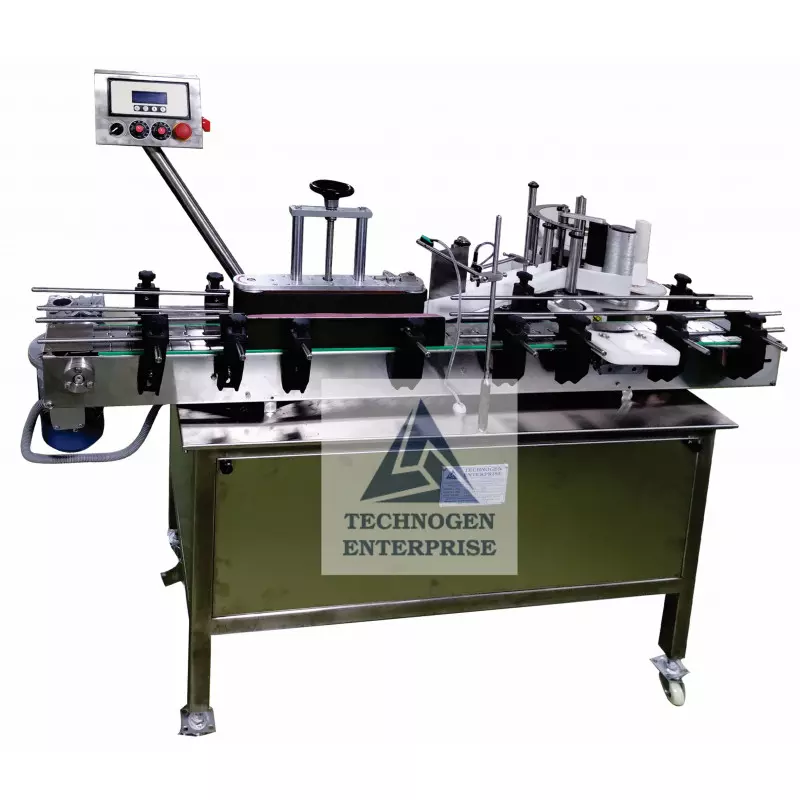
As a business owner, you understand the importance of maximizing efficiency and productivity in your operations. One area that can benefit from automation is labeling your products. If your business deals with round bottles, investing in a round bottle sticker labeling machine can streamline your labeling process and bring numerous benefits to your business. With the ability to apply labels accurately and quickly, you’ll save time and money while ensuring consistent branding of all your products. Additionally, a labeling machine can help reduce errors and increase the overall quality of your product packaging. In this article, we’ll explore the benefits of investing in a round bottle sticker labeling machine for your business, and how it can help take your operations to the next level. Benefits of using a round bottle sticker labeling machine Improved efficiency and productivity: One of the most significant benefits of investing in a round bottle sticker labeling machine is the improved efficiency and productivity it brings to your operations. Labeling bottles manually can be a time-consuming and tedious process, especially if you have a large volume of products to label. With a labeling machine, you can label your products accurately and quickly, saving you valuable time and resources. Moreover, labeling machines eliminate the need for manual labor, which can reduce the risk of human error and increase the overall quality of your product packaging. As a result, you’ll be able to produce more products in less time, leading to increased productivity and revenue. Consistent labeling quality: Another benefit of using a round bottle sticker labeling machine is the consistent labeling quality it provides. When you label your products manually, there is a risk of inconsistencies in the placement and alignment of the labels. This can cause a lack of uniformity in your product packaging, which can negatively impact your brand image. With a labeling machine, you can ensure that each label is applied accurately and consistently in the same position on every bottle, creating a professional and uniform appearance across all your products. This is especially important for businesses that rely on their branding and packaging to differentiate their products from competitors. Cost savings and return on investment (ROI): Investing in a round bottle sticker labeling machine can bring significant cost savings and a high return on investment (ROI) for your business. While the initial cost of purchasing a labeling machine may seem expensive, the long-term benefits it brings can quickly offset the cost. Labeling machines can increase your productivity, reduce labor costs, and minimize the risk of errors, all of which can lead to significant cost savings over time. Additionally, a labeling machine can increase the capacity of your production line, allowing you to produce more products in less time and generate more revenue. As a result, investing in a labeling machine can provide a high ROI for your business in the long run. Versatility and adaptability to different bottle sizes and shapes: One of the key advantages of using a round bottle sticker labeling machine is its versatility and adaptability to different bottle sizes and shapes. Many labeling machines can be customized to fit various bottle sizes and shapes, making them suitable for businesses with a wide range of products. This means that you can label different types of bottles using the same machine, providing flexibility and convenience in your labeling process. Additionally, labeling machines can be programmed to apply labels in different orientations and positions, allowing you to create unique and eye-catching product packaging. How to choose the right round bottle sticker labeling machine for your business Investing in a round bottle sticker labeling machine can bring many benefits to your business, but choosing the right machine can be a daunting task. Here are some factors to consider when selecting a labeling machine for your business: Bottle sizes : The first factor to consider is the size of the bottles you’ll be labeling. it is important to know the minimum and maximum diameter and height of the round bottle. Ensure that the machine you choose can handle your minimum diameter bottle as well as the maximum diameter of the bottle, you’ll be labeling. Labeling presentation on the Bottle: Another factor to consider is whether you want to execute the full wrap, over-wrap, or partial wrap around the bottle. So it’s important to ensure that the machine you choose can handle all these types of wrap. Machine speed and capacity: Machine speed and capacity are also important factors to consider. Make sure that the machine you choose can keep up with your production line’s speed and volume, and that it has enough capacity to handle your labeling needs. Machine features and customization: Lastly, consider the features and customization options available for the machine. There are many add-on features available with the Round bottle sticker labeling machine such as below. Choose a machine that offers the features and customization options that best suit your business needs. Label Roll Empty – Machine Stop System With Alarm Missing Label In Roll – Machine Stop System With Alarm Special Label Sensor For Sensing Transparent Film Labels Which Does Not Have Any Sensing Mark On It. Toughened Glass Or Acrylic Safety Cabinet For Machine Tower Light Showing The Machine Status / Operation Special Sensing System For Checking Missing Label On Product Vision System For Checking Barcode, Presence Or Absence Of Coding Or Pharma Code On Labels Vision System For Optical Character Recognition(OCR) & Optical Character Verification (OCV) Online Pneumatically Operated Product Rejection System. Special Sensor For Running Transparent Label. 21 CFR Complaint Maintenance and troubleshooting tips for round bottle sticker labeling machines Like any other equipment, round bottle sticker labeling machines require regular maintenance to ensure optimal performance. Here are some maintenance and troubleshooting tips to keep in mind: Regular cleaning: Ensure that you clean your labeling machine regularly to prevent the buildup of dust and debris that can negatively impact its performance. Use a soft cloth and a mild cleaning solution to clean the machine’s exterior, and follow the manufacturer’s instructions for cleaning the
Unveiling The Secrets Of Perfect Sealing: Mastering Induction Cap Sealing Machines
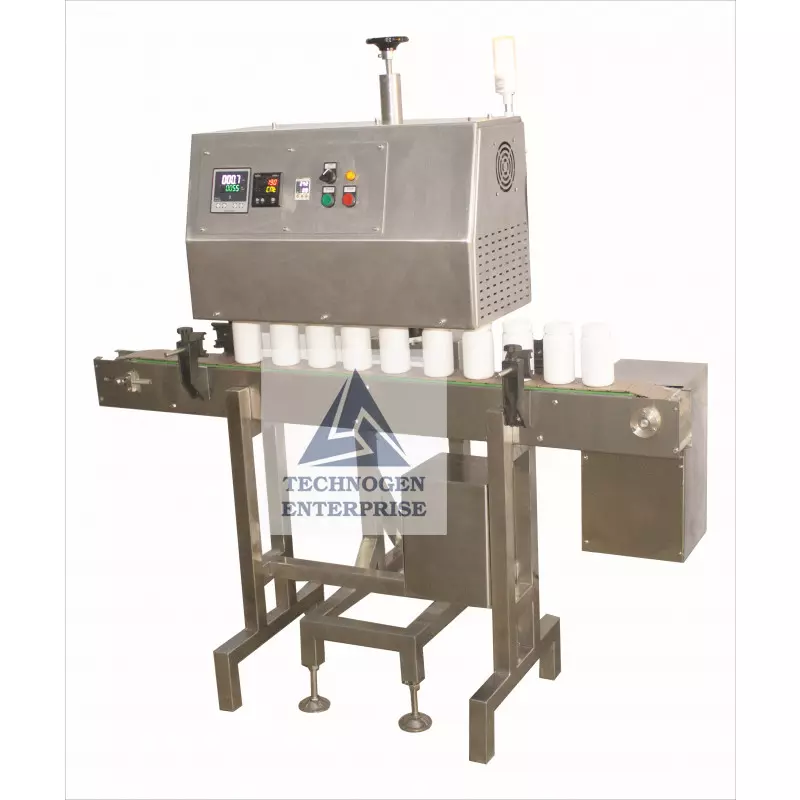
Product makers across industries such as home chemicals, cosmetics, medicines, and food and beverages are increasingly vital in meeting evolving customer demands and ideals. Ensuring that their products reach consumers in pristine condition is non-negotiable. Issues like leaky containers, damaged packaging, and compromised items pose serious threats to safety and customer trust. In today’s manufacturing landscape, achieving a flawless seal every time is not just a dream; it’s a reality, thanks to global application expertise and cutting-edge production processes. At the heart of this sealing revolution lies the remarkable Induction Cap Sealing Machine. The Powerhouse of Perfection: Induction Cap Sealing Machines: When used correctly, an induction sealing system can elevate the value of a product significantly. By creating an airtight (hermetic) seal, it not only eliminates the challenges mentioned earlier but also maintains a professional appearance and a tamper-proof seal. Furthermore, induction cap sealing technology extends product shelf life, ensuring freshness and bolstering consumer confidence. Decoding the Art of Induction SealingWhile achieving a satisfactory seal through the induction sealing process usually takes just minutes, the journey to perfection involves mastering various factors. Manufacturers often recommend waiting 24 hours for the optimal result. Here’s an in-depth look at critical considerations: Heat Management: The Key to SuccessVigilantly monitor for any signs of burning or melting within the cap. Overheating can mar the seal’s quality and jeopardize product integrity. Flawless Sealing: An Underrated ArtEnsure that the foil sealing layer melts and connects with the entire rim of the bottle or jar’s top neck surface. Incomplete sealing can lead to compromised product integrity and customer dissatisfaction. Proper Heating Proper heating is a fine balance. It hinges on whether the foil entirely seals around the rim of the product and secondary cap lining materials without overheating the bottleneck and cap. Experienced operators possess the skill to gauge the ideal temperature. The Telltale Signs: Symmetric Heat PatternsA trained eye can spot symmetric heat patterns in the induction foil and foam backing material beneath some induction foils. These patterns are the hallmarks of proper induction sealing, ensuring product safety and quality. Crafting the Perfect Induction Seal: Achieving a perfect induction seal demands a harmonious match between the container, cap closure, liner material, and the induction seal. Here’s your roadmap to ensuring a consistent product seal: Container Selection: Most induction-sealed containers are made of plastic, though glass vessels can also undergo induction sealing. The choice of container depends on product compatibility, marketing preferences, and logistical considerations. Cap Closure Criteria: The cap closure must possess a flat interior region to accommodate an induction liner. Screw-on caps are perfect for a broader range of hard and soft cap liner materials, while snap-on caps are better suited for softer cap lining materials. In cases where a foil separates from a backing material, the cap design may need to ensure the backing material’s integrity when the container is opened. Liner Material Magic : Choosing the appropriate induction seal material is influenced by various factors, including container composition, product contents, duration of use, cap type (screw-on or snap-on), and the process for inserting the lining material into the cap. The Choice of Champions: Induction Sealers: Selecting the right induction cap sealing machine is paramount. When choosing a provider, ensure that: They offer comprehensive technical guidance on the induction sealing process and can provide assistance in cap closure and container development if needed. They supply induction lining material or offer valuable advice on its procurement. They provide ONLY as induction sealing equipment involves high electric currents and electromagnetic fields. For instance, Technogen Enterprise offers cost-effective solutions , ensuring that you receive reliable and safe induction cap sealing machines tailored to your production needs. In conclusion, the performance of an induction cap sealing machine is influenced by various factors, including heat management, the quality of the induction seal, and the compatibility of the container, cap closure, and liner material. Manufacturers must carefully consider these elements to achieve consistent and reliable sealing, ultimately ensuring that their products reach consumers in pristine condition. Mastering the art of induction sealing is not just a business strategy; it’s the path to sealing perfection.
Factors Affecting Induction Sealing Performance
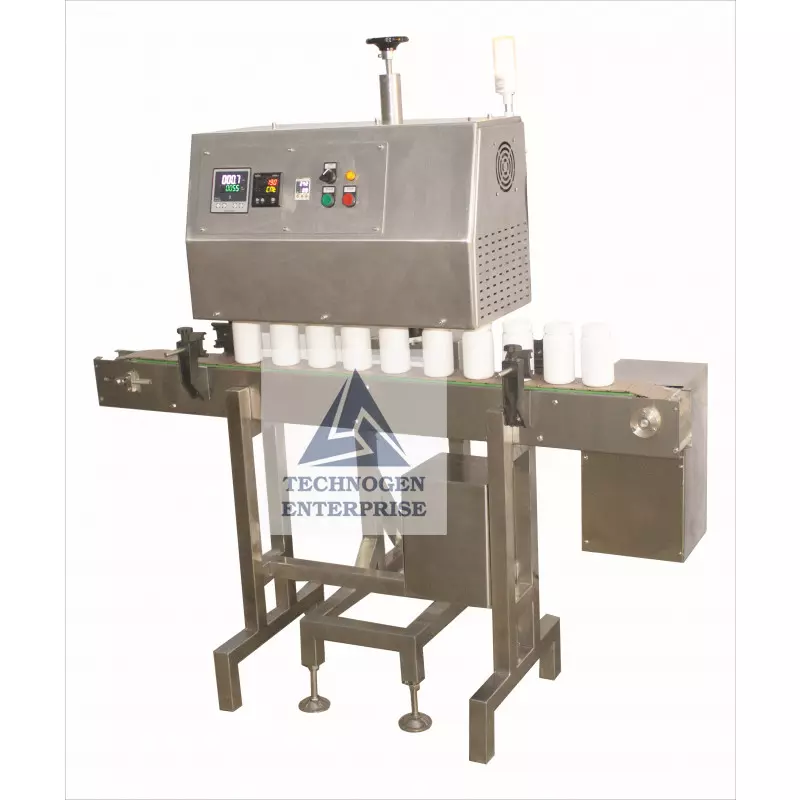
Induction sealing is a crucial process in the packaging industry, ensuring product freshness, safety, and tamper-evidence. This method uses electromagnetic induction to generate heat and bond a foil seal to the container’s rim. A proper seal not only preserves the product but also protects it from contamination and leakage. Achieving an optimal induction seal requires careful consideration of various factors. This blog will delve into these key factors, highlighting their importance in the sealing process and providing insights on how to achieve the best sealing performance. The Importance of Proper Heating in Induction Sealing Proper heating is fundamental to the induction sealing process. The heat generated by the induction coil must be sufficient to melt the sealing layer of the foil but not so excessive as to damage the container or its contents. The Role of Proper Heating The effectiveness of induction sealing hinges on achieving the right amount of heat. When the foil liner is heated correctly, it adheres evenly to the container’s rim, creating a robust seal. Proper heating ensures that the seal is uniform and can withstand various environmental conditions without failing. Consequences of Excessive Heat Excessive heat can be detrimental to the sealing process. Overheating may cause the foil liner to burn or melt excessively, compromising the integrity of the seal. This can lead to weak spots that are prone to leakage and contamination. Additionally, excessive heat can damage the container, especially if it’s made of plastic, leading to deformation or other structural issues. Ensuring Complete Sealing Ensuring that the foil completely seals around the rim of the container is crucial. Any gaps or incomplete seals can allow air, moisture, and contaminants to enter, which can spoil the product. A thorough seal prevents leaks and maintains the product’s quality and shelf life. The Role of Pressure and Time in Achieving Optimal Sealing Results Pressure and time are equally important in the induction sealing process. The right combination of these factors ensures a consistent and reliable seal. Importance of Pressure Pressure helps to ensure that the heated foil adheres evenly to the container’s rim. Insufficient pressure can result in an incomplete seal, while excessive pressure might cause the seal to be too tight, leading to potential breakage or difficulty in opening. Optimal Sealing Time The duration for which the foil is exposed to heat is also critical. Too short a time may not allow the sealing layer to melt and bond adequately, while too long can lead to overheating. Manufacturers often recommend waiting up to 24 hours after the induction sealing process for the seal to achieve its optimal final strength. The Impact of Container Material and Design on Induction Sealing Effectiveness The material and design of the container significantly influence the sealing performance. Different materials respond differently to the induction process, and the container’s design can affect the distribution of heat and pressure. Material Considerations Most induction sealed containers are made of plastic, but glass containers are also used. The choice of material depends on the product, marketing, and logistical considerations. For example, plastic containers are lightweight and versatile, making them suitable for a wide range of products. Glass containers, while more fragile, offer a premium look and feel, often used for high-end products. Design Factors The design of the container, including the shape and the flatness of the rim, can affect the sealing process. A flat rim ensures even contact with the foil, which is essential for a uniform seal. Containers with irregular or uneven rims can lead to gaps in the seal, increasing the risk of leaks. How to Achieve a Perfect Induction Seal Achieving a perfect induction seal involves a combination of factors, including the container, cap closure, liner material, and the induction sealing machine. Container Selection Selecting the right container is the first step towards a successful seal. The container must be compatible with the induction sealing process and suitable for the product it holds. Plastic is the most common material used, but glass is also an option for certain products. The container’s shape and rim design must support an even and complete seal. Cap Closure The cap closure must have a flat interior region to accommodate the induction liner. Screw-on caps are preferable as they offer a broader selection of liner materials and ensure a tight seal. Snap-on caps are also used, especially for products that require a softer liner material. The cap must secure the foil in place until the seal is complete. Lining Materials Choosing the right lining material is crucial for achieving a good seal. The lining material must be compatible with the container and the product. Factors to consider include: Container Composition: The material of the container affects the type of liner used. Product Contents: The liner must resist any chemicals or oils in the product. Usage Duration: The liner should maintain its integrity throughout the product’s shelf life. Cap Tolerance: The liner should fit well with the cap, whether it’s screw-on or snap-on. Insertion Process: The liner must be easy to insert and stay in place during sealing. Choosing the Right Induction Sealer The induction sealer machine is a critical component of the sealing process. Selecting the right machine involves: Technical Guidance: The supplier should provide technical support and guidance on the sealing process. Machine Specifications: The machine must be compatible with the container and cap types used. Material Supply: The supplier should either provide or recommend the appropriate induction lining materials. Why Choose Technogen Enterprise for Your Induction Sealing Machine Requirements When it comes to selecting an induction sealing machine, Technogen Enterprise stands out as a premier choice. Here’s why: Technical Expertise: Technogen Enterprise offers unparalleled technical guidance throughout the induction sealing process. Their team of experts can assist with everything from selecting the right machine to developing the closure and container. Comprehensive Solutions: They provide a wide range of induction sealing machines that cater to different needs and applications. Whether you need a high-speed production line or a versatile machine for various container types, Technogen has a solution. Quality and Reliability: The machines from Technogen
Boost Your Productivity With A Sticker Labeling Machine: A Comprehensive Guide
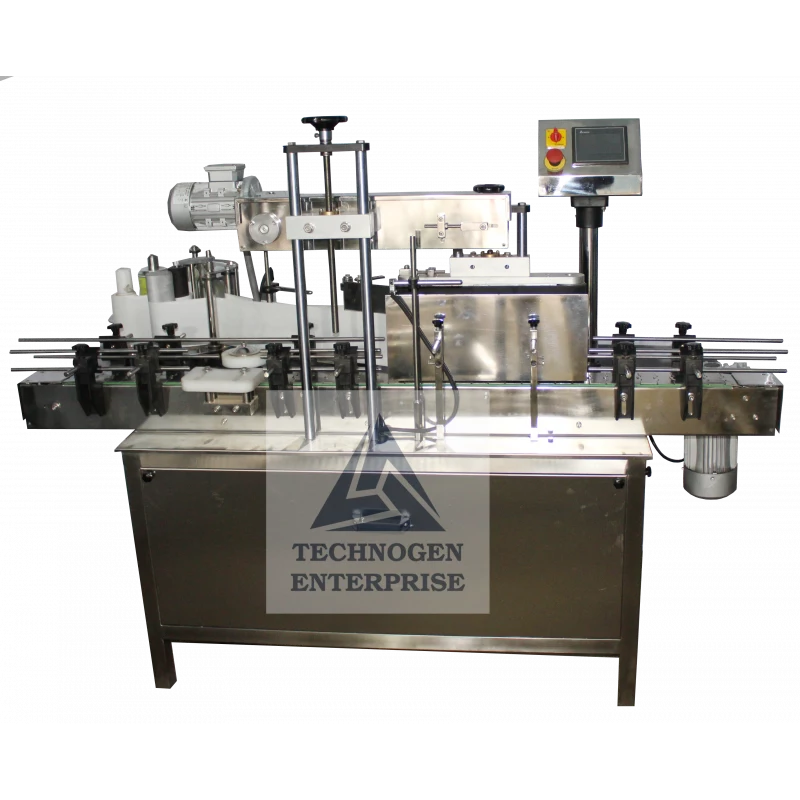
Sticker labeling machines have transformed the packaging industry, providing an efficient and precise method for applying self-adhesive or pressure-sensitive labels to containers. These machines work seamlessly on various materials, including plastic and glass, making them indispensable in industries such as pharmaceuticals, breweries, distilleries, food and beverage, agriculture, mineral water bottling, cosmetics, and toiletries. This comprehensive guide explores the different types of sticker labeling machines, their benefits, and why Technogen Enterprise is the ideal partner for your sticker labeling machine needs. The Evolution of Sticker Labeling Machines The Early Days The concept of labeling dates back to ancient times when labels were manually applied to containers using simple adhesives. As industries evolved, the demand for more efficient labeling methods grew. Early labeling machines were rudimentary and required significant manual intervention, making them suitable only for small-scale operations. Technological Advancements With advancements in technology, labeling machines have become more sophisticated. Modern sticker labeling machines use advanced electronics and mechanics to automate the labeling process, significantly increasing speed, accuracy, and efficiency. These machines are designed to handle various container shapes and sizes, making them versatile and essential for large-scale production. The Present and Future Today, sticker labeling machines are integral to packaging lines across various industries. They are equipped with features such as programmable logic controllers (PLCs), touch screen interfaces, and sensors that ensure precise label application. The future of sticker labeling machines lies in further automation, integration with Industry 4.0 technologies, and enhanced flexibility to meet the ever-evolving demands of the market. Types of Sticker Labeling Machines 1. Semi-Automatic Bottle Sticker Labeling Machine The semi-automatic bottle sticker labeling machine is ideal for start-up industries. It requires manual placement of round bottles for applying sticker labels. This machine is perfect for businesses that need an affordable and straightforward solution to begin automating their labeling process. Key Features: Manual Bottle Placement: Operators manually place bottles on the machine for labeling. Ease of Use: Simple controls make it easy to operate, even for unskilled labor. Cost-Effective: Lower initial investment compared to fully automatic machines. Applications: This machine is widely used in small-scale operations, including artisanal food producers, local breweries, and boutique cosmetic brands. 2. Round Bottle Sticker Labeling Machine The round bottle sticker labeling machine is designed for full or partial wrap-around labeling on plastic, metal, and glass round bottles. It can label at speeds of 40 to 300 bottles per minute, making it suitable for medium to large-scale production facilities. Key Features: High-Speed Operation: Capable of labeling up to 300 bottles per minute. Versatility: Suitable for various materials including plastic, metal, and glass. Precision Labeling: Ensures accurate and consistent label placement. Applications This machine is ideal for industries such as food and beverage, pharmaceuticals, and cosmetics where high-speed, accurate labeling is essential. 3. Double Side Sticker Labeling Machine The double side sticker labeling machine is versatile equipment that can label both sides of round, flat, oval, rectangular, and square containers. It operates at speeds of up to 120 bottles per minute, making it perfect for businesses that require dual-side labeling for better product information display. Key Features Dual-Side Labeling: Labels both sides of containers simultaneously. Multiple Container Shapes: Handles round, flat, oval, rectangular, and square containers. Efficient and Fast: Labels up to 120 bottles per minute. Applications: This machine is commonly used in industries like food and beverage, cosmetics, and personal care products where comprehensive product information needs to be displayed on both sides of the container. 4. Ampoule Sticker Labeling Machine The ampoule sticker labeling machine is specifically designed for applying labels on ampoules, vials, and ear/eye drop bottles. It boasts a production speed ranging from 200 to 450 units per minute, ensuring high efficiency and precision. Key Features: High-Speed Labeling: Labels up to 450 units per minute. Precision Application: Ensures accurate placement on small, delicate containers. Pharmaceutical Compliance: Meets the stringent requirements of the pharmaceutical industry. Applications: This machine is essential for pharmaceutical companies that need precise and efficient labeling for small containers such as ampoules and vials. 5. Automatic Top Side Horizontal Sticker Labeling Machine The automatic top side horizontal sticker labeling machine is ideal for top surface labeling on various products like cartons, batteries, bottles, and more. It operates at a production speed of up to 150 containers per minute, offering versatility and efficiency. Key Features: Top Surface Labeling: Suitable for labeling the top surface of various products. Versatile Applications: Handles a wide range of products including cartons and batteries. High Efficiency: Labels up to 150 containers per minute. Applications: This machine is widely used in industries like electronics, food and beverage, and consumer goods where top surface labeling is required. Benefits of Using Sticker Labeling Machines: Improved Productivity and EfficiencySticker labeling machines significantly enhance productivity by automating the labeling process. This automation allows for high-speed operations, reducing the time required for labeling each container. As a result, production lines can operate more efficiently, increasing overall output. Precision in Label ApplicationOne of the main advantages of sticker labeling machines is their ability to apply labels with high precision. This accuracy ensures that each label is placed correctly and consistently, reducing the likelihood of errors and the need for rework. Precise label application also enhances the product’s appearance, contributing to better brand recognition and consumer trust. Versatility in Handling Various Container Shapes and MaterialsModern sticker labeling machines are designed to handle a wide range of container shapes and materials. Whether you need to label round, oval, rectangular, or square containers made of plastic, glass, or metal, these machines offer the flexibility to meet your specific requirements. This versatility is particularly beneficial for companies that produce multiple product lines with different packaging needs. Cost-Effectiveness and Time-SavingAutomating the labeling process with sticker labeling machines can lead to significant cost savings. These machines reduce the need for manual labor, lowering labor costs and minimizing human error. Additionally, the increased speed and efficiency of automated labeling result in time savings, allowing companies to meet production deadlines more effectively. How to Choose the Right Sticker Labeling Machine Assessing Your Labeling NeedsBefore
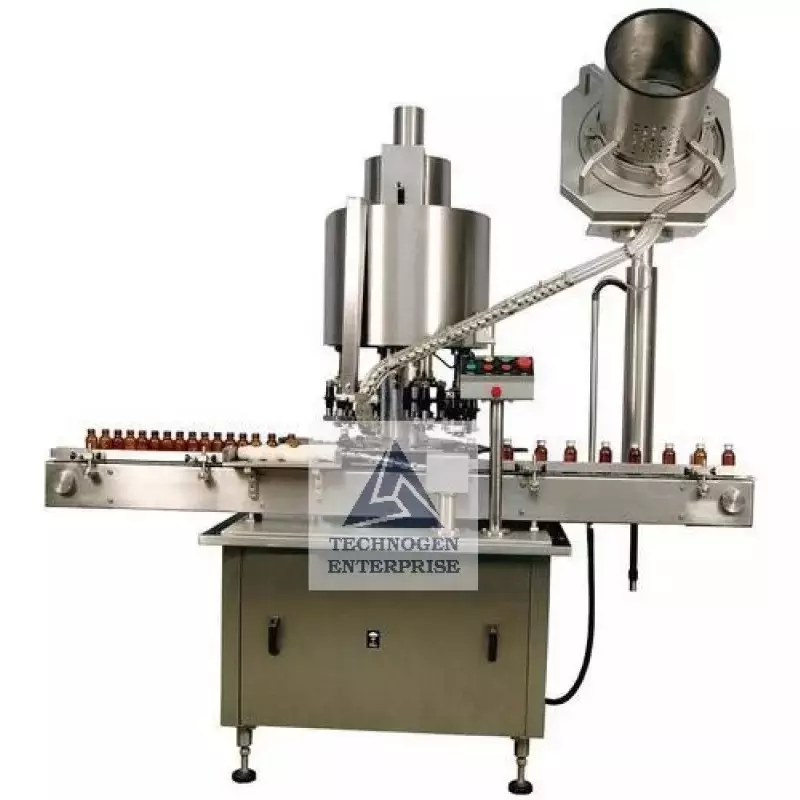
Exploring The Role Of ROPP Capping Machines In The Beverage Industry: Enhancing Production Efficiency And Quality
I. Introduction The beverage industry is one of the most dynamic and competitive sectors in manufacturing, requiring precision, efficiency, and quality control at every stage of production. One crucial element that ensures the integrity of bottled beverages is the capping process. Proper sealing not only preserves the product but also prevents contamination and tampering, maintaining consumer trust and brand reputation. Among the various capping solutions available, Roll-On Pilfer Proof (ROPP) capping machines stand out for their ability to provide secure and tamper-evident seals, particularly for glass bottles. These machines are specifically designed to apply aluminum ROPP caps, which are widely used for packaging wines, spirits, carbonated drinks, juices, and other beverages. This blog post will explore the significance of ROPP capping machines in the beverage industry, detailing their configurations, operational efficiency, and how they differentiate from conventional capping machines. II. Overview of ROPP Capping Machines in the Beverage Industry ROPP capping machines play a vital role in beverage production by ensuring that bottles are sealed effectively and efficiently. Available in multiple configurations, these machines cater to different production capacities, providing flexibility for manufacturers. The most common configurations include: 6-Head ROPP Capping Machines: Suitable for small to medium-scale production, offering speeds of around 100 bottles per minute (BPM). 8-Head ROPP Capping Machines: Designed for mid-range production requirements, capable of capping up to 130 BPM. 12-Head ROPP Capping Machines: Ideal for high-volume beverage production, reaching speeds of up to 160 BPM.These machines ensure consistency in capping, minimizing errors, and reducing the risk of leaks or contamination. As the beverage industry increasingly focuses on automation to enhance efficiency, ROPP capping machines have become an indispensable component of modern bottling lines. III. Distinctions Between Beverage ROPP Capping Machines and Conventional Models While conventional capping machines serve multiple industries, ROPP capping machines designed for the beverage sector come with unique specifications tailored to meet industry demands. Some key distinctions include: 1. Specialized Cap Feeding Systems : Unlike conventional machines, beverage ROPP capping machines incorporate starwheel type orientators for efficient and precise cap placement. These cap feeders ensure that caps are accurately positioned before the capping process begins, reducing misalignment issues that can compromise product integrity. 2. Redraw Operation for Secure Sealing One of the most crucial aspects of beverage ROPP capping machines is the redraw operation. This process ensures that the aluminum cap properly conforms to the bottle’s thread pattern, creating an airtight and secure seal. The redraw operation enhances: Product integrity: Prevents leaks and oxidation, extending the shelf life of the beverage. Tamper-proof security: Ensures that any unauthorized opening of the bottle is evident. Aesthetic appeal: Produces a neat and uniform cap application, enhancing brand presentation. 3. Adaptability to Different Bottle and Cap Types: Beverage ROPP capping machines accommodate various bottle neck sizes and cap designs, including Stelvin caps (commonly used for wine) and long ROPP caps (preferred for spirits and premium beverages). This adaptability allows beverage manufacturers to maintain flexibility in their production lines without requiring frequent machine modifications. IV. Advantages of Implementing ROPP Capping Machines in Beverage Production Integrating ROPP capping machines into beverage production lines offers numerous benefits, enhancing efficiency, quality control, and cost-effectiveness. Some of the key advantages include: 1. Superior Sealing Quality: ROPP capping machines provide an airtight and tamper-proof seal, preserving the freshness and flavor of the beverage. This is particularly important for carbonated drinks, wines, and spirits, where proper sealing ensures product stability and prevents spoilage. 2. Increased Production Speed: With advanced automation capabilities, these machines significantly boost production rates, allowing manufacturers to meet high demand efficiently. A 12-head ROPP capping machine, for instance, can cap up to 160 bottles per minute, ensuring seamless bottling operations. 3. Enhanced Operational Efficiency Modern ROPP capping machines come with programmable logic controllers (PLC) and touchscreen interfaces, enabling operators to adjust settings easily and monitor performance in real-time. Features like automatic cap sorting and rejection systems further enhance efficiency by minimizing downtime and reducing human intervention. 4. Reduced Risk of Product Contamination Automated ROPP capping machines minimize human contact with the bottle and cap, significantly reducing contamination risks. This is particularly crucial for beverage manufacturers striving to meet stringent hygiene and safety standards. 5. Lower Maintenance and Operational Costs Compared to manual or semi-automatic capping solutions, fully automated ROPP capping machines require less frequent maintenance and offer higher durability. Their robust construction ensures long-term reliability, reducing overall operational costs. V. Why Technogen Enterprise for Your Beverage ROPP Capping Machine Needs? Choosing the right supplier is just as important as selecting the right machine. Technogen Enterprise stands out as a leading provider of high-quality ROPP capping machines, offering tailored solutions for beverage manufacturers. Here’s why Technogen Enterprise is the preferred choice: 1. Industry Expertise and Innovation: With years of experience in the packaging industry, Technogen Enterprise continuously innovates to deliver state-of-the-art capping solutions that meet evolving industry requirements. 2. Customizable Solutions: Understanding that every production line has unique needs, Technogen Enterprise offers customizable ROPP capping machines to suit specific bottling requirements, ensuring seamless integration with existing systems. 3. High-Quality Manufacturing Standards: Technogen Enterprise adheres to strict quality control measures, using premium-grade materials and advanced engineering techniques to ensure durability and efficiency in their machines. 4. Comprehensive After-Sales Support: From installation and training to ongoing maintenance and technical assistance, Technogen Enterprise provides exceptional customer support, ensuring uninterrupted operations for beverage manufacturers. 5. Competitive Pricing and ROI: Investing in a Technogen Enterprise ROPP capping machine ensures long-term cost savings, thanks to their machines’ high efficiency, low maintenance costs, and durability, delivering an excellent return on investment. VI. Conclusion: ROPP capping machines play a pivotal role in the beverage industry, offering a reliable and efficient solution for securing glass bottle packaging. Their specialized cap feeding systems, redraw operation capabilities, and high-speed configurations make them indispensable for manufacturers aiming to enhance production efficiency and product quality. For beverage companies looking to invest in top-tier ROPP capping solutions, Technogen Enterprise provides cutting-edge machines designed to meet diverse industry demands. By choosing the right ROPP capping machine and supplier, businesses can ensure seamless production, improved quality control, and greater success in the competitive beverage market. If you are looking for a high-performance ROPP capping machine for your beverage production line, contact Technogen Enterprise today to explore customized solutions that fit your needs!

How A Double Cone Blender Works: Key Insights Into Its Blending Mechanism
In industries where precise and efficient blending of dry powders and granules is crucial, the Double Cone Blender plays a vital role. This specialized equipment is widely used in the pharmaceutical, food, chemical, and nutraceutical industries for achieving uniform and homogeneous mixing of ingredients. Designed for gentle yet effective blending, the Double Cone Blender utilizes a rotating motion that ensures even distribution of particles without excessive shear force. Its ability to handle varying batch sizes makes it an indispensable machine for processing bulk materials while maintaining high quality and consistency. Blending is a fundamental process across multiple industries where the uniform distribution of ingredients is essential to maintain product integrity. In pharmaceuticals, accurate blending of active pharmaceutical ingredients (APIs) with excipients is crucial for uniform drug potency. In the food industry, proper mixing ensures consistent taste and texture in spices, seasonings, and powdered beverages. The chemical industry relies on efficient blending to maintain the correct formulation of powders used in coatings, detergents, and specialty chemicals. In all these applications, the Double Cone Blender stands out as a reliable solution for achieving homogeneity while preserving the characteristics of individual ingredients. The purpose of this blog post is to explore the blending mechanism of the Double Cone Blender in detail, highlighting how its design, working principles, and operational efficiency contribute to superior mixing performance. Additionally, we will discuss why choosing a high-quality Double Cone Blender, such as those manufactured by Technogen Enterprise, ensures reliability, precision, and durability in industrial applications. II. Understanding the Blending Mechanism A. Design Features: 1. Conical Shape and Its Significance : One of the key design elements of a Double Cone Blender is its conical shape, which significantly enhances the blending process. The symmetrical conical design ensures a free-flowing movement of materials, allowing gravity to assist in the continuous redistribution of particles. Unlike traditional cylindrical mixers, the double cone configuration creates a tumbling action, promoting even blending without requiring internal baffles or agitators. This design prevents ingredient stratification and minimizes the risk of ingredient segregation, resulting in a well-mixed final product. 2. Slant Design and Prevention of Dead Areas: The slant or inclined positioning of the double cone is another crucial aspect of its efficiency. This design helps eliminate dead zones—areas where powders tend to accumulate without mixing properly. Since the powder continuously moves along the sloping walls during rotation, every particle is exposed to an even mixing pattern. The absence of sharp corners or stagnant zones ensures complete batch homogenization, reducing the need for prolonged mixing cycles and improving overall productivity. B. Blending Process: 1. How Dry Powders and Granules Are Mixed: The blending process in a Double Cone Blender follows a tumbling motion principle. As the blender rotates, materials inside the chamber move freely, constantly cascading and intermixing due to gravitational forces. This movement ensures that each particle travels through different layers within the chamber, achieving a high level of uniformity. The combination of free-falling and cascading movements results in an efficient and gentle blending process, preserving the integrity of fragile or sensitive materials. 2. Mechanism of Achieving Homogeneous Mixing: The key mechanism behind homogeneous mixing in a Double Cone Blender is the combination of diffusion and convection mixing. Diffusion mixing occurs as particles move randomly, distributing themselves evenly throughout the batch, while convective mixing takes place due to the repetitive inversion of the material inside the conical chamber. The continuous rolling action and multi-directional flow prevent material layering, ensuring uniform dispersion of ingredients. Additionally, the rotation speed of the blender can be optimized based on the material properties, ensuring that the blend achieves the required consistency without over-processing or generating excess heat. C. Operational Efficiency: 1. Ease of Loading and Unloading: The Double Cone Blender is designed for ease of operation, featuring ergonomically designed inlets and outlets for seamless material handling. Loading is simplified through large access ports, allowing easy charging of powders without excessive manual effort. Unloading is equally efficient, facilitated by a well-placed discharge valve that ensures a smooth and complete discharge of the blended material without residue buildup. 2. High Capacity Handling : One of the biggest advantages of the Double Cone Blender is its ability to handle large batch volumes efficiently. Available in different sizes, from small laboratory-scale models to industrial-scale blenders, these machines accommodate varying production demands. The ability to scale up production while maintaining uniformity makes them a preferred choice in high-volume manufacturing facilities. 3. Cleaning and Maintenance Advantages : Maintaining hygiene and preventing cross-contamination are critical concerns, particularly in pharmaceutical and food processing applications. The Double Cone Blender is designed for easy cleaning and maintenance, with smooth internal surfaces that reduce material adherence. Many models come with CIP (Clean-in-Place) systems, allowing thorough cleaning without requiring disassembly. The stainless steel construction ensures durability while meeting stringent industry hygiene standards. III. Conclusion The Double Cone Blender is a highly efficient and reliable mixing solution designed to ensure homogeneous blending of dry powders and granules. Its unique conical shape, slant design, and tumbling action prevent dead zones and facilitate thorough mixing. The blender’s gentle yet effective mechanism preserves ingredient integrity, making it suitable for applications requiring precision and uniformity. Benefits of Using Double Cone Blenders in Various Applications: Using a Double Cone Blender offers numerous advantages, including: Uniform and homogeneous blending of ingredients Reduced material segregation, ensuring consistent formulation High capacity handling, ideal for large-scale production Minimal material wastage due to efficient discharge Easy loading, unloading, and cleaning, enhancing operational efficiency Versatility in application across pharmaceuticals, chemicals, and food processing industries. When selecting a Double Cone Blender, choosing a trusted manufacturer ensures quality, reliability, and efficiency. Technogen Enterprise stands out as a leading manufacturer and supplier of high-performance blending equipment. Here’s why they are the preferred choice: Quality Assurance and Expertise: With years of experience in designing precision-engineered blending machines, Technogen Enterprise ensures every product meets industry standards and delivers consistent performance. Customer Support and Service Excellence: Their commitment to customer satisfaction extends beyond the sale, offering comprehensive technical support, installation guidance, and after-sales service. Customizable Solutions: Technogen Enterprise provides